
Dark vs. Light Kitchen Cabinets: What Hides Smudges and Fingerprints Best?
Quick Answer and Why It Matters
What is a gourmet kitchen? For many homeowners, it is a hardworking, beautiful space built for cooking, hosting, and daily life. In that setting, the question of which cabinets hide smudges and fingerprints best is more than looks. It is about keeping your kitchen feeling clean with less effort. If you are comparing dark vs light cabinets, here is the short version. Dark cabinets often show fingerprints and dust faster, especially on glossy finishes. Light cabinets tend to hide fingerprints well, but they can show cooking stains and grime near handles. The true smudge hiders are usually mid-tone colors with a satin or matte sheen, and cabinets with visible wood grain or light texture. Still, you can make either dark or light work for you with the right materials and upkeep. Below, the pros at J Kruzan share how to pick the best option for your lifestyle and cleaning routine.
Dark Cabinets: Rich Style With Some Tradeoffs
How Dark Cabinets Handle Smudges
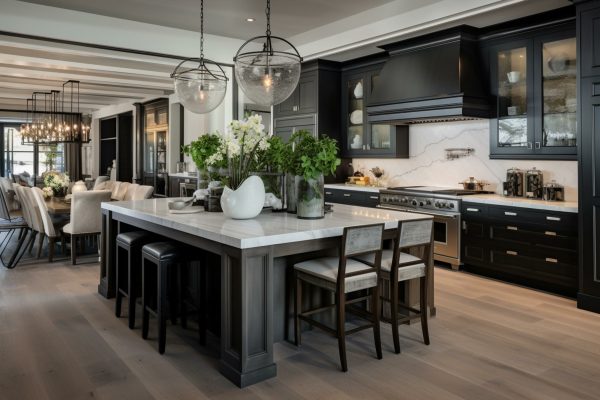
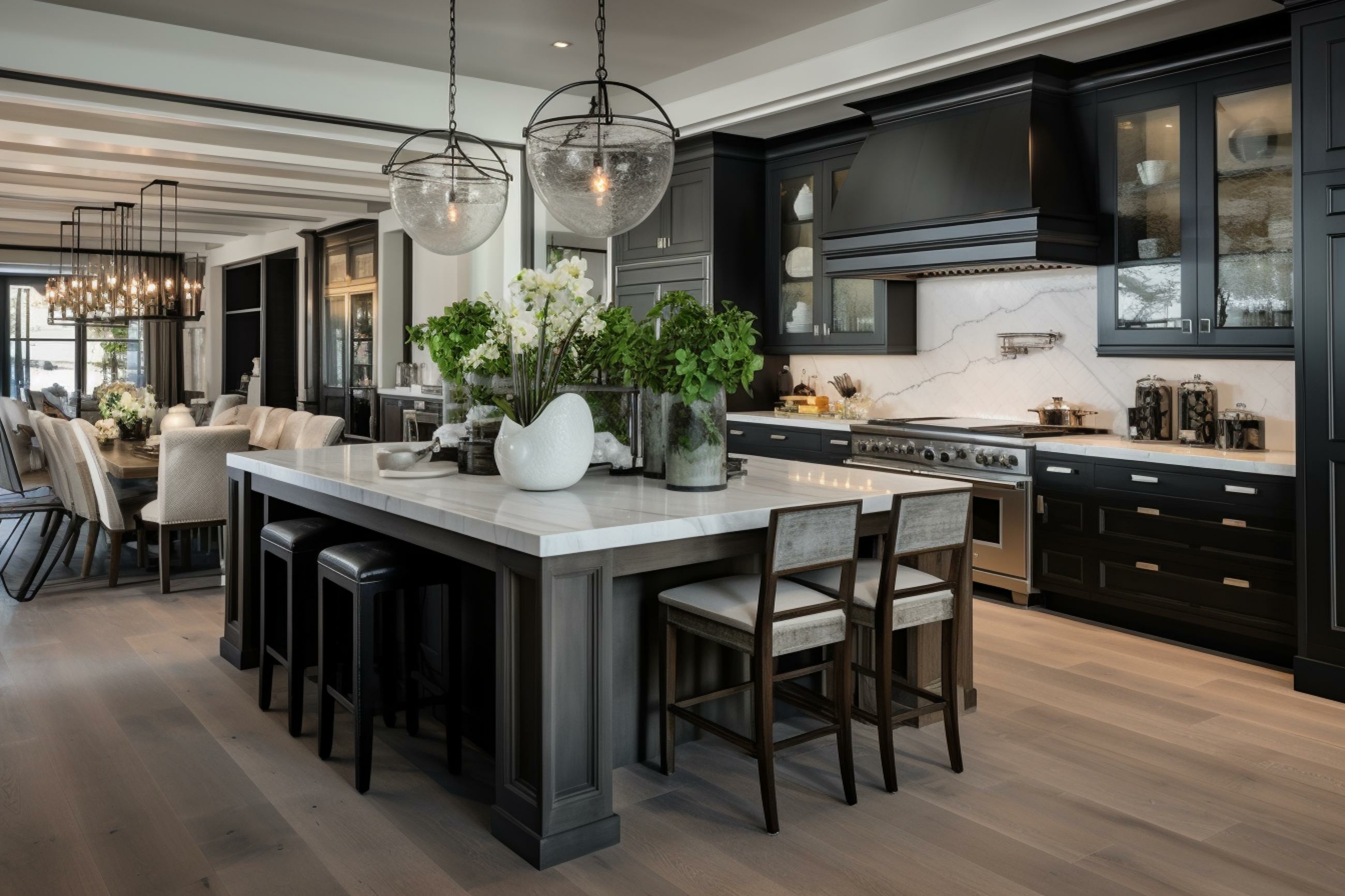
Dark cabinets, like charcoal, espresso, navy, or black, deliver a luxurious and dramatic look. They can make hardware and counters pop, and they photograph beautifully. The downside is they tend to show fingerprints from natural skin oils. On very dark and glossy surfaces, even a light touch can leave a visible mark. Dust and flour also show more against dark paint or stain. If you cook often or have little helpers in the kitchen, expect to wipe more often to keep that deep color looking even.
Best Finishes and Textures for Dark Cabinets
Finish is your secret weapon. A satin or matte sheen reduces the glare that highlights prints and streaks. A subtle texture helps too. Think stained oak with visible grain, rift-cut white oak in a medium-brown stain, or textured laminate with a light linear pattern. These options break up light reflection and disguise everyday touches. If you love midnight blue or black, choose a satin finish and consider a soft brushstroke paint technique to add depth and hide tiny marks.
Cleaning Tips for Dark Cabinets
Quick daily wiping is key. Keep a damp microfiber cloth near the sink to buff away prints without leaving lint. For weekly cleaning, use warm water with a few drops of mild dish soap. Avoid abrasive pads and harsh chemicals that cut through the finish and can create shiny patches. If you prefer a cleaner that flashes dry with fewer streaks, a diluted vinegar solution works on many painted or laminate doors, but skip vinegar on real stone backsplashes or counters.
Light Cabinets: Bright, Airy, and Forgiving
How Light Cabinets Handle Smudges
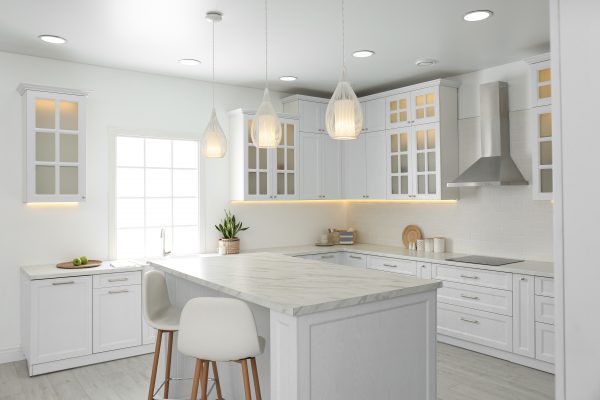
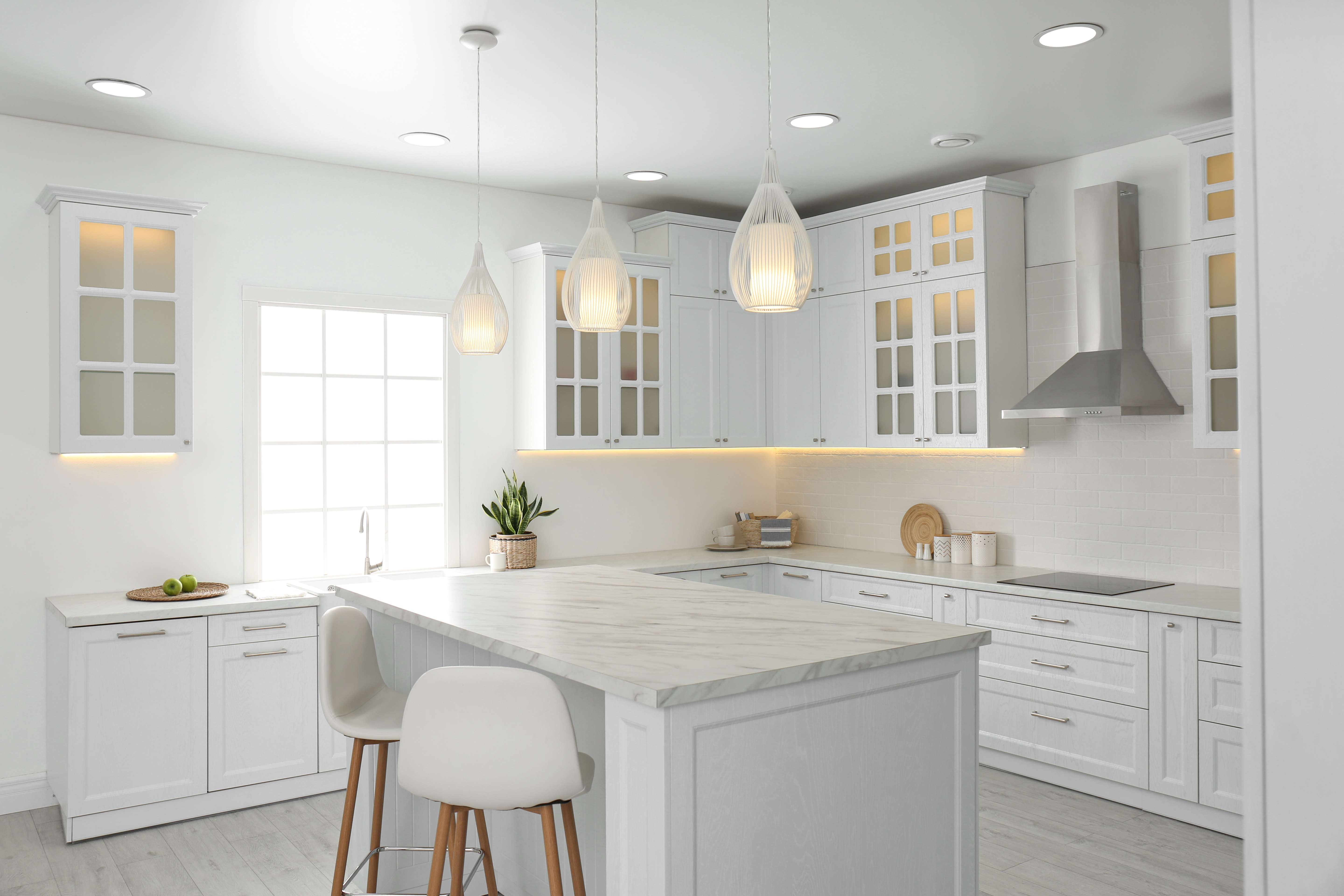
Light colors like soft white, cream, pale gray, or greige reflect light and make a kitchen feel open. They tend to hide fingerprints better because skin oils are not as obvious on light tones. What you might see instead is general grime near handles or cooking splatters. The good news is those clean up quickly. Light cabinets are great for busy families who want a fresh look that does not require constant buffing.
Best Finishes and Textures for Light Cabinets
As with dark cabinets, a satin or matte sheen conceals more than high gloss. A light stain on oak, maple, or hickory adds gentle grain that conceals smudges and tiny nicks over time. Painted shaker-style doors in warm white with satin sheen are a classic choice. If you prefer a seamless, modern style, select a high-quality matte painted finish or a super-matte laminate that resists prints.
Cleaning Tips for Light Cabinets
Use a soft microfiber cloth and mild soapy water on painted or stained surfaces. For stubborn grime near pulls, a soft toothbrush helps without scratching. Dry with a clean cloth to prevent water spots. If you have a white kitchen, consider removable, easy-clean liners inside high-use doors like under the sink to protect from moisture and cleaning bottle drips.
The True Smudge Hiders: Mid-Tones, Wood Grain, and Two-Tone Designs
Mid-Tone Magic
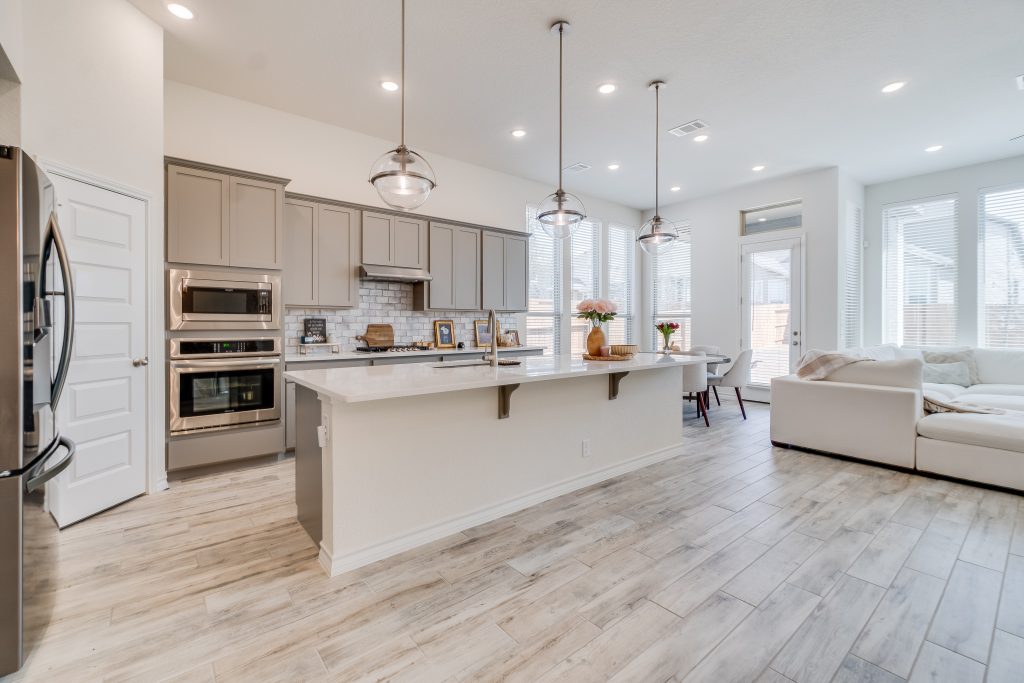
Although the debate often centers on dark vs light, the best balance usually sits in the middle. Taupe, warm gray, mushroom, medium walnut, and greige are standout choices. They soften prints and hide dust while still brightening the room. These colors are forgiving under different lighting conditions, which is helpful in open floor plans and homes with large windows.
Leaning on Wood Grain
Visible wood grain is excellent at masking small smudges, crumbs, and door edge touches. Quarter-sawn oak, rift-cut oak, and hickory offer steady grain lines that disguise wear. A medium stain pairs beautifully with stainless or matte black hardware and looks at home in both modern and traditional spaces.
Two-Tone Done Right
Two-tone kitchens are more than a trend. They solve real-world cleaning pain points. Place darker cabinets at the base where scuffs are more common and lighter cabinets up top to keep the space bright. The contrast draws the eye upward while working around daily smudges. Another option is a deeply colored island with mid-tone or light perimeter cabinets. This gives you statement color without constant maintenance in high-touch zones.
Sheen, Material, Door Style, and Hardware: Small Choices With Big Impact
Sheen Levels
- Matte and super-matte: Top choice for hiding fingerprints. Minimal reflection.
- Satin: Great middle ground. Durable, easy to clean, soft glow.
- Semi-gloss or high gloss: Striking but shows more prints and requires frequent buffing.
Materials
- Painted hardwood: Classic and repairable. Choose satin or matte for best concealment.
- Stained wood: Grain hides small marks. Medium stains are most forgiving.
- Thermofoil: Smooth, affordable, consistent color. Some show prints if too glossy.
- Textured laminates: Excellent smudge camo with modern looks and durability.
Door Style
- Shaker: Clean lines. The small frame helps minimize obvious smudges.
- Slab: Sleek. Pick matte to reduce fingerprints.
- Beadboard or raised panel: Traditional texture that can conceal light wear. Keep grooves clean to avoid buildup.
Hardware and Layout
Thoughtful hardware can reduce contact with door faces. Full-length pulls, finger rails, or integrated edge pulls guide hands away from paint. In high-use zones, place handles where they are most comfortable to grip with wet or messy hands. If you struggle with prints, avoid touch-latch doors on dark glossy finishes, since pushing the door face invites smudges.
Cleaning and Upkeep: Pro Tips From J Kruzan
- Keep it simple. Warm water and a drop of dish soap remove most prints. Rinse and dry.
- Use microfiber. It grabs oils and leaves fewer streaks than paper towels.
- Go gentle. Skip abrasive powders, scouring pads, or harsh solvents.
- Spot clean often. A 10-second wipe near handles every couple of days prevents buildup.
- Protect the sink base. Use liners under the sink and soft-close hinges to avoid chips.
- Treat stains smart. For sticky residue, a bit of diluted vinegar can help on paint and laminate. Avoid vinegar on marble and many natural stones.
- Mind the sheen. Over-polishing can create shiny patches on matte or satin finishes. If needed, use a product approved by your cabinet maker.
Lifestyle and Lighting: Match Your Cabinets to Real Life
- Kids and pets: Pick satin or matte. Choose mid-tones or grained wood. Install longer pulls.
- Heavy cooking: Light or mid-tone finishes and quality ventilation reduce visible grease. Consider wipeable materials near the range.
- Open concept: Mid-tones balance brightness and maintenance. Two-tone islands add drama without daily polishing.
- Natural light: High sun can highlight streaks. Matte finishes help. Use UV-resistant finishes to reduce fading.
- Small kitchens: Light or mid-tone cabinets visually expand the room. Add under-cabinet lighting to cut shadows and reduce the look of streaks.
What Is a Gourmet Kitchen and How Do Cabinets Fit In?
Homeowners often ask, what is a gourmet kitchen, and does that change which cabinets I should choose? A gourmet kitchen focuses on function first, with the tools and layout to cook fast, clean easily, and host comfortably. In other words, what is a gourmet kitchen if not a space built to work smarter for you? In this kind of kitchen, cabinet choices support workflow and cleanliness as much as style. Here is how cabinet selection pairs with gourmet-level performance.
- Zone-based storage: Keep heavy pots and skillets in deep drawers with durable finishes that wipe clean quickly.
- Easy-clean fronts: Matte or satin cabinets reduce time spent buffing away fingerprints between tasks.
- Pro appliances, pro storage: Taller pantry cabinets with adjustable shelves or pullouts organize bulk ingredients within reach.
- Hardware that works: Long pulls and soft-close hinges keep hands away from door faces and protect finishes.
- Durable interiors: High-quality box construction and moisture-resistant materials hold up to daily cooking and frequent cleaning.
So if you find yourself researching what is a gourmet kitchen, remember that cabinet color and finish are part of the equation. A gourmet kitchen often blends a mid-tone or light perimeter with a darker island, using matte finishes that hide smudges so you can focus on cooking rather than constant wiping.
Dark vs Light: Who Wins at Hiding Smudges?
If you want the best disguise for fingerprints, mid-tone and lightly textured finishes are the overall winners. Between the two extremes, light cabinets in satin or matte usually beat dark glossy cabinets for hiding prints. That said, with smart finish choices, dark cabinets can perform well. Here is a quick verdict you can use.
- Best everyday camo: Mid-tone wood stain or warm gray in satin.
- Light cabinet win: Off-white or soft gray in matte or satin shows fewer fingerprints than high-gloss black or navy.
- Dark cabinet win: Charcoal or espresso in matte or satin with subtle wood grain hides more than flat, glossy black.
- Design trick: Two-tone kitchens place the most forgiving finishes on high-touch areas.
Palette Ideas That Balance Style and Maintenance
- Modern farmhouse: Warm white shaker uppers with a mushroom-toned island. Satin finish and matte black pulls.
- Contemporary calm: Greige slab doors in super-matte laminate, long stainless pulls, and quartz counters.
- Classic with contrast: Rift-cut oak in a medium-brown stain on lowers, soft white uppers, brushed brass hardware.
- Bold but practical: Deep navy island in satin paired with pale gray perimeter cabinets. Wood stools add visual warmth and texture.
Work With J Kruzan for Smart, Beautiful Kitchens
Choosing between dark and light cabinets is easier with a pro who listens to how you live, cooks, and entertains. J Kruzan Construction & Remodeling, LLC brings Old World Craftsmanship and modern techniques to every project. Based in Lake Geneva and serving Walworth, Kenosha, and Racine counties, J Kruzan helps homeowners create kitchens that look amazing and clean up fast. From cabinet selection to layout and lighting, we dial in the details that matter.
Services From J Kruzan
- Kitchens and bathrooms: Smarter layouts, durable finishes, and fixtures that fit your style.
- Basements: Convert unused square footage into livable space.
- Whole-home remodeling: Tie rooms together with cohesive design and quality.
- Home additions: New rooms, sunrooms, home offices, and larger kitchens or baths.
- Home improvements: Custom cabinetry, window and door replacements, and interior or exterior repairs.
- Custom construction: Bespoke builds for your specific goals.
If you have been wondering what is a gourmet kitchen and how to make it work in your home, J Kruzan can guide you through appliance choices, storage strategies, and cabinet finishes that reduce the look of smudges without sacrificing style. Visit jkruzanbuilds.com, call (262) 348-9800, or stop by 2508 Vista Drive, Lake Geneva, WI, to get started.
FAQs About Cabinets and Smudges
Do high-gloss cabinets always show more fingerprints?
Typically yes. Glossy surfaces reflect light, which highlights oils and streaks. If you love gloss, choose a lighter color and plan for frequent quick buffs.
Which cabinet color hides the most?
Mid-tones like taupe, warm gray, and medium wood stains are the most forgiving. They hide dust, prints, and small dings better than very dark or very light extremes.
Are black cabinets a bad idea for families?
Not at all, but opt for matte or satin finishes and longer pulls. Add a second, lighter finish on upper cabinets to balance maintenance with style.
What about fingerprint-resistant materials?
Super-matte laminates and some specialty finishes resist prints well. Ask your remodeler to show you fingerprint-resistant samples under your home’s lighting.
Can hardware placement really reduce smudges?
Yes. Comfortable, well-placed pulls keep hands off door faces, which means fewer marks. It is a small design choice with a big daily impact.
Final Takeaway
Dark cabinets make a bold statement but need thoughtful finishes to minimize fingerprints. Light cabinets feel open and usually hide prints better, though they can show general grime near handles. For the easiest upkeep, choose mid-tones, visible wood grain, and satin or matte sheen. If you want a kitchen that performs like a chef’s space, start by asking what is a gourmet kitchen for your home. Then tailor cabinet color, finish, hardware, and layout to your routine. When you are ready to design a kitchen that looks clean longer and works the way you cook, J Kruzan is here to help with professional guidance and meticulous craftsmanship.