
Bright ideas from addition construction contractors who know Wisconsin UDC
Addition construction contractors agree that great lighting is the difference between a room that feels finished and a room that feels forgotten. When you build a new space, you also need to meet Wisconsin’s Uniform Dwelling Code energy rules without sacrificing style. At J Kruzan, we design UDC-friendly lighting plans that look stunning, save energy, and work for the way you live. If you are planning a room addition in Lake Geneva, Walworth, Kenosha, or Racine counties, this guide will walk you through smart choices and simple steps to get it right.
What the Wisconsin UDC means for lighting in a new addition
The Uniform Dwelling Code sets standards for safety, energy efficiency, and performance in one and two family homes. For lighting, the spirit of the code is simple. Use efficient fixtures and controls, reduce wasted energy, and give homeowners a comfortable, well lit space. Specific lighting requirements can change over time, like the percentage of high efficacy bulbs allowed in permanent fixtures, or where certain controls are needed. As experienced addition construction contractors, J Kruzan stays current on the rules, confirms details with inspectors, and designs your lighting plan to pass review the first time. That means fewer delays, less stress, and a room that looks great from day one.
The essentials of UDC friendly lighting design
Start with a layered plan
A balanced lighting plan blends multiple light types so your new room feels warm, useful, and calm. Addition construction contractors build layers that adapt to different times of day, activities, and moods. Begin with a layout drawing and note where you will sit, read, work, entertain, relax, and store items. Then add light in layers that support those zones.
- Ambient lighting fills the room. Use low profile LED ceiling fixtures, recessed cans rated for insulation, or a slim, efficient chandelier.
- Task lighting supports specific work. Think under cabinet LEDs in a kitchen expansion, bedside reading lights in a bedroom addition, or vanity lights at eye level in a bathroom.
- Accent lighting highlights art or architectural details. Use adjustable recessed fixtures, wall washers, or LED tape in coves and shelves.
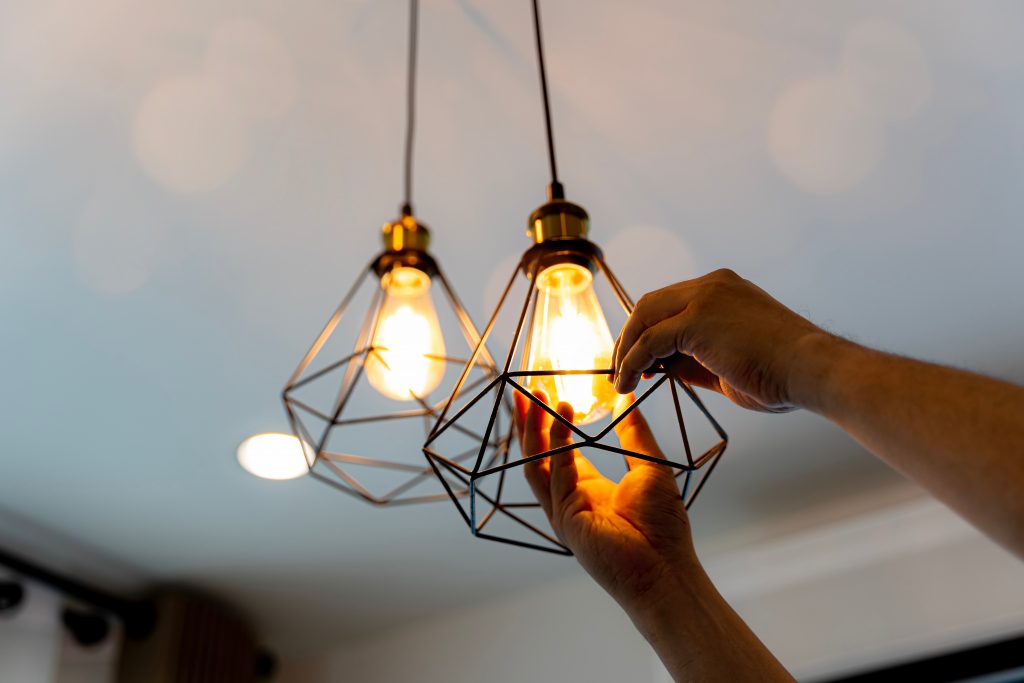
- Decorative lighting adds personality. Pendants, sconces, and statement fixtures can be efficient and stylish. Choose Energy Star models when possible.
Choose high efficacy sources
UDC friendly rooms use efficient light sources. Today, LEDs rule. They are bright, dimmable, cool running, and long lasting. Select integrated LED fixtures or lamped fixtures that use LED bulbs. Look for color rendering index of 90 or higher for natural looking skin tones and finishes. Pick color temperature that matches the mood of your space. Warm white between 2700K and 3000K feels cozy and works well in living rooms and bedrooms. Neutral white around 3500K to 4000K fits kitchens, offices, and bathrooms. Keep it consistent in open areas so colors look even across the room.
Controls that meet code and feel intuitive
Efficient lighting needs smart controls. Many codes set expectations for dimmers, vacancy sensors, or timers in some spaces. The goal is simple controls that your family will actually use. Addition construction contractors help pick devices that work with your fixtures and your habits.
- Dimmers extend bulb life, save energy, and allow a range of moods. Pair dimmers with compatible LED fixtures to avoid flicker.
- Vacancy sensors turn lights off automatically when no one is in the room. They are helpful in pantries, closets, laundry rooms, and bathrooms.
- Timers work well for exterior lights on a new sunroom or porch addition.
- Smart switches let you set scenes, schedules, and voice control while keeping simple on off usage for guests.
Daylight first, then electric light
Daylighting reduces energy use and makes rooms feel larger. Design your addition to capture light while controlling glare and heat gain. In Wisconsin, winter sun can be your friend, while summer midday sun needs shading. J Kruzan balances window placement with insulation, HVAC performance, and UDC energy goals.
- Place windows to the south and east for soft, useful light when possible.
- Use overhangs, shades, or low solar gain glazing to limit hot spots.
- Consider a skylight or sun tunnel in windowless areas like interior baths or halls and choose models that reduce heat loss.
- Add layered electric lighting so the room still performs on dark winter days.
Airtight, safe, and serviceable fixtures
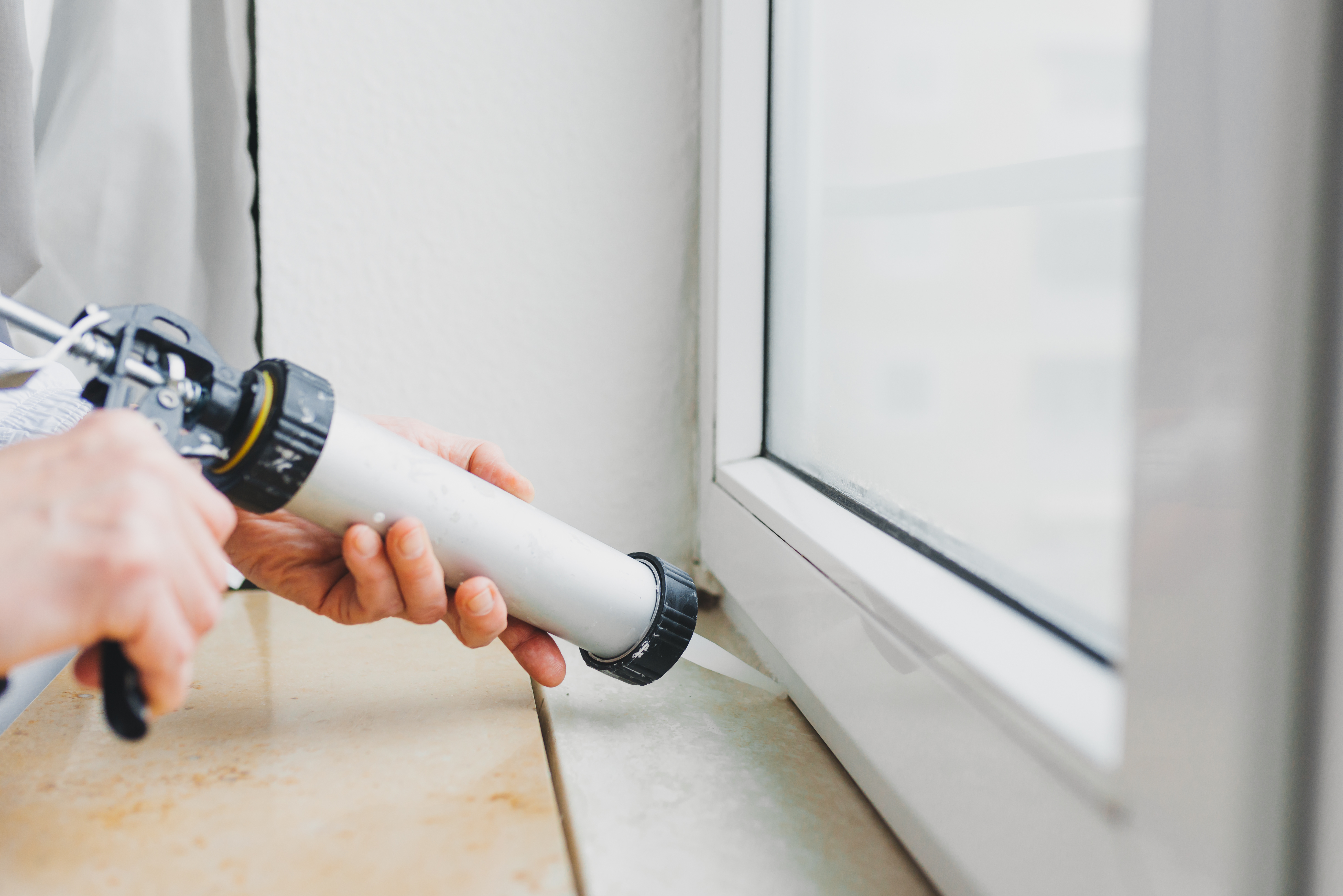
In Wisconsin, many ceilings are insulated. Recessed fixtures in these locations should be IC rated and air tight. Surface mounted fixtures and junction boxes also need careful air sealing. Proper sealing prevents moisture from reaching cold surfaces where it can condense. Addition construction contractors like J Kruzan coordinate with the insulation team, install air barrier compatible boxes, seal penetrations, and choose fixtures designed for damp or wet locations where needed. The result is a tighter home that meets energy goals and avoids future callbacks.
Room by room lighting plans for your new addition
Living room or great room
A living area needs flexible layers that shift from daytime activity to nighttime relaxation. Keep glare low, provide soft fill light, and highlight focal points like a fireplace, built ins, or art.
- Ambient: four to six IC rated, air tight recessed LEDs spaced to avoid scallops, or a sleek LED semi flush center fixture.
- Task: swing arm reading lights near seating and floor outlets for plug in lamps.
- Accent: wall washers or adjustable recessed lights aimed at art and shelving.
- Control: two or three zones with dimmers so you can set a movie scene or a lively gathering scene.
Kitchen expansion
Kitchens thrive on high quality task light and even coverage on counters. Keep shadows off work surfaces and choose dependable, high CRI fixtures so food looks appetizing.
- Ambient: low profile LED recessed downlights balanced across aisles.
- Task: continuous LED under cabinet lights with diffusers placed near the front of the cabinet bottoms.
- Decorative: pendants over the island add style and targeted light. Choose efficient integrated LED options.
- Accent: toe kick lighting for safe night paths and soft glow.
- Control: at least three zones with dimmers, plus a vacancy sensor for the pantry.
Bathroom addition
Good bathroom lighting is bright, flattering, and moisture safe. Plan for clear grooming light with minimal shadows and add layers for night use.
- Vanity: vertical sconces on both sides of the mirror or a wide bar at eye level for even face light.
- Ambient: a sealed LED ceiling fixture or recessed downlight with a damp location rating.
- Shower: a wet rated recessed LED with a lens.
- Control: separate switching for fan and lights. Add a dim night light feature if possible.
Bedroom or guest suite
Bedrooms benefit from warm light and simple control. Quiet, low glare fixtures help with rest while task lights handle reading and dressing.
- Ambient: a quiet ceiling fixture or gentle recessed layout, dimmable to very low levels.
- Task: reading sconces or swing arms at each side of the bed, plus a light near the closet.
- Night light: toe kick LED or low level step light tied to a motion sensor.
- Control: three way switching at the door and bedside for convenience.
Home office or study
A productive office needs balanced, flicker free light with strong task zones and good video call presentation.
- Ambient: indirect or diffused overhead LED to limit shadows and screen glare.
- Task: adjustable desk lamp with high CRI and slightly cooler color temperature around 3500K to 4000K.
- Accent: wall wash behind the camera view for better on screen appearance.
- Control: dimmers and a scene button that sets your video call lighting with one touch.
Sunroom or four season room
A sunroom leans on daylight but still needs an evening plan. Choose fixtures that feel airy and do not fight the outdoors.
- Ambient: slim ceiling fans with LED light kits or minimalist track with LED heads.
- Accent: grazing light along masonry or wood detail for cozy nights.
- Control: dusk to dawn exterior lighting nearby and dimmable interior zones.
Electrical and code coordination that protects your project
Lighting is part of a larger electrical plan. J Kruzan coordinates circuit loads, AFCI or GFCI protection where required, correct box fill, and proper wire sizing. We include a neutral wire in new switch boxes to support future smart controls. We place smoke and carbon monoxide alarms per code and set switch heights and clearances for accessibility. Our addition construction contractors prepare submittals the local inspector expects, so your permits and inspections move smoothly.
Budget, fixture selection, and value
Clear budgets make for clear decisions. Focus your spending on the fixtures you see and use most, then choose cost effective options in secondary roles. Efficient lighting reduces energy bills and bulb replacement, so you win long term too.
- Define must haves including under cabinet lights, dimmers, or statement pendants.
- Pick finishes that match your hardware and decor for a cohesive feel.
- Confirm compatibility between dimmers and LEDs to avoid flicker.
- Ask about rebates. Wisconsin programs like Focus on Energy sometimes offer incentives for efficient products.
- Set aside a small contingency for specialty trims or last minute changes.
- Basic efficient fixtures for a small room can start around a few hundred dollars installed.
- Midrange packages with layered lighting and controls often fall in the low thousands.
- Premium statements with custom fixtures and advanced controls scale up from there based on size and taste.
Common lighting mistakes to avoid in new additions
- Relying on one overhead light. Flat, glare heavy lighting makes rooms feel harsh.
- Skipping task lighting in kitchens and baths. Shadows and poor detail hurt everyday use.
- Mixing too many color temperatures. Keep a consistent look across open spaces.
- Forgetting dimmers. Without dimming, lighting cannot adapt to mood or time of day.
- Ignoring air sealing. Leaky fixtures waste energy and can cause moisture problems.
- Choosing fixtures before final cabinet or furniture layout. Placement counts as much as style.
How addition construction contractors streamline permits and inspections
Paperwork should not slow your project. J Kruzan documents fixture schedules, control locations, load calculations, and product data sheets that show efficiency and ratings. We coordinate with local inspectors, explain our approach, and make adjustments quickly if needed. This organized process reduces repeat visits and keeps your addition on schedule.
Why J Kruzan is the right partner for your addition and lighting
J Kruzan Construction & Remodeling, LLC pairs Old World Craftsmanship with modern building science. We turn plans into rooms that feel intentional and polished. As trusted addition construction contractors, we offer more than fixtures and wire. We deliver a space that respects your budget, meets UDC requirements, and looks great for years to come.
- Design build coordination so lighting supports architecture, cabinetry, and furniture plans.
- Transparent pricing and clear communication from start to finish.
- Fixture samples, mockups, and dimmer testing for comfort and compatibility.
- Clean job sites, respectful crews, and careful protection of finished surfaces.
- Local knowledge of Lake Geneva and surrounding counties, plus relationships with inspectors.
Our services
J Kruzan serves Lake Geneva, Walworth, Kenosha, and Racine counties with full service remodeling and construction. We handle projects of all sizes with care and detail.
- Home Remodeling: kitchens and bathrooms with upgraded layouts, fixtures, and finishes.
- Basements: transforming unused space into family rooms, guest suites, and gyms.
- Whole Home Remodeling: aligning older homes with modern comfort and style.
- Home Additions: room additions, sunrooms, and home offices planned around your needs.
- Kitchen and Bathroom Expansions: more storage, better flow, and brighter task lighting.
- Home Improvements: cabinetry installation, window and door replacements, and repairs.
- Custom Construction: bespoke projects tailored to your vision.
Your next steps with J Kruzan
- Schedule a consultation. We listen, measure, and learn how you use your space.
- Review a concept plan. See fixture options, control strategies, and budget ranges.
- Confirm details. We select finishes, color temperature, and control types you will love.
- Permit and build. Our team manages scheduling, trade coordination, and inspections.
- Final walkthrough. We set dimmer ranges, aim accent lights, and show you how to use your controls.
Ready to light your new room with confidence and style. Contact J Kruzan at (262) 348-9800 or visit us at 2508 Vista Drive, Lake Geneva, WI. We proudly serve Walworth, Kenosha, and Racine counties with dependable addition planning, precise installation, and friendly service. Learn more at jkruzanbuilds.com and see why homeowners choose our team of addition construction contractors to bring bright, efficient spaces to life.
FAQ about UDC compliant lighting for additions
Do I need energy efficient fixtures in every new room
Most permanent fixtures in a new addition should be high efficacy to meet energy goals. The exact percentage can vary by code cycle. J Kruzan confirms the current requirement for your project and selects fixtures that meet or exceed the rule without compromising style.
Can I keep my favorite incandescent lamps
Portable lamps are usually not part of the energy calculation, so you can still use a favorite piece. For permanent fixtures, switch to LED versions that give the same warm look with far less energy use.
Are smart lights allowed under UDC
Yes. Smart switches and smart ready fixtures work well with efficient LEDs. We install compatible devices and leave a neutral at the switch for future upgrades. Scenes and schedules save energy and add convenience.
What color temperature should I choose
Use 2700K to 3000K in living spaces and bedrooms for comfort. Choose 3500K to 4000K in kitchens, baths, and offices for clarity. Keep it consistent within each connected area so the room looks unified.
How long does lighting installation take in a room addition
Most additions follow the project schedule. Rough electrical and lighting layout happen after framing, followed by insulation and drywall, then fixture and control installation. The lighting portion typically takes a few days across those phases, depending on room size, fixture count, and inspection timing. J Kruzan provides a clear schedule so you know what to expect.
A final word from your local addition construction contractors
Lighting is where your new room comes alive. With a layered design, efficient products, and thoughtful controls, you get a space that meets UDC requirements and still feels warm and personal. J Kruzan blends craftsmanship with code knowledge to deliver additions that shine. When you are ready to plan your new room, our team is here to help you see the possibilities and enjoy the results every day.