
What Is a Brickwork Backsplash
A brickwork backsplash is a wall surface made from thin brick, brick tile, or brick-look materials installed behind your counters and range. It can run from the countertop to the bottom of your upper cabinets or reach the ceiling for a bold, full-height statement. The installer bonds the product to the wall and grouts the joints, then seals the surface for protection.
Material Options for a Brick Look
- Thin brick veneer. Real clay brick sliced to about half an inch thick. It looks authentic and has real color variation.
- Brick tile. Ceramic or porcelain tile shaped and colored to mimic brick. It is thinner, lighter, and tends to clean easier.
- Full brick. Very rare for a backsplash due to weight and thickness. Usually not practical in a kitchen.
- Faux panels. Textured panels that mimic brick. They install fast but may not handle heat and water as well.
J Kruzan helps you compare samples in your light so you can see tone, texture, and how grout will affect the look.
Where Brick Shines in Kitchen Design
- Farmhouse and cottage kitchens where warmth and patina matter.
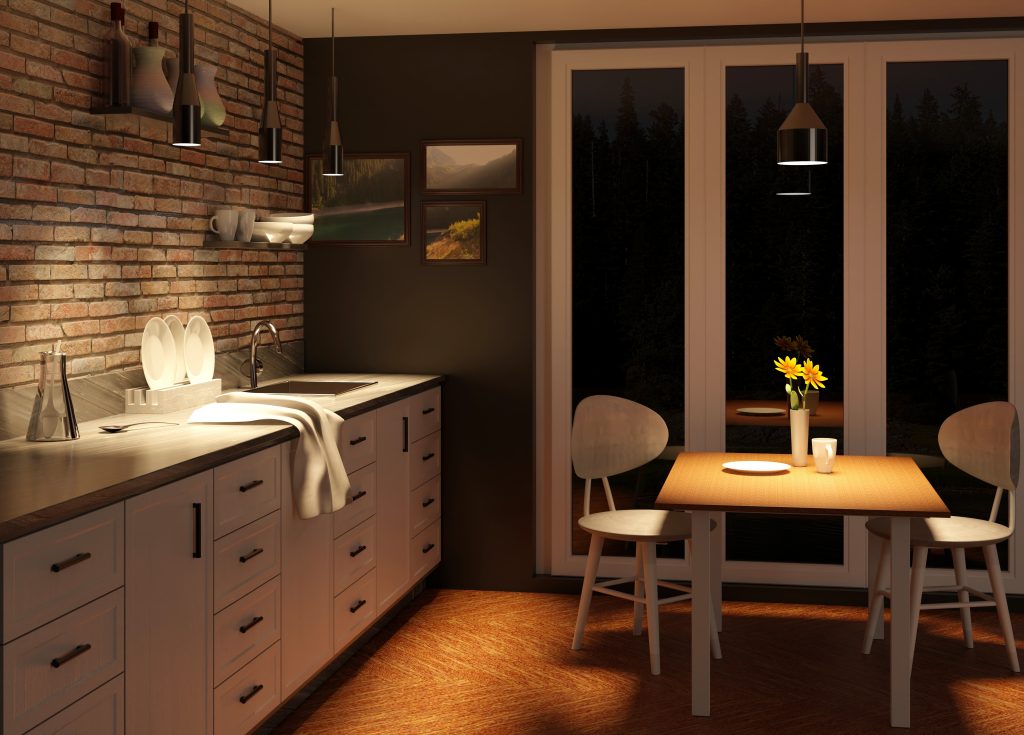
- Industrial lofts that mix metal, wood, and brick texture.
- Transitional spaces that need a subtle focal point without heavy patterns.
- Modern kitchens that pair smooth cabinets with a single rustic surface.
Real-World Pros of a Brickwork Backsplash
- Texture and warmth. Brick adds dimension and visual interest. It can turn a plain wall into a design feature.
- Timeless appeal. Brick has stayed in style for decades. It pairs well with wood, stone, and painted finishes.
- Heat tolerance. Real clay brick and porcelain handle heat near a range better than some laminates or wallpapers.
- Durability. Once sealed, brick stands up to daily bumps and splashes. It does not dent like drywall.
- Hides minor marks. The varied surface makes smudges less obvious between cleanings.
- Customizable look. Choose color, size, grout color, joint profile, and layout pattern for a tailored result.
- Potential value add. Buyers often notice upgraded, high-quality materials, especially in kitchens.
- Sound dampening. The textured surface can help reduce harsh echoes in open kitchens.
Real-World Cons of a Brickwork Backsplash
- Porosity. Brick can absorb oils, sauces, and steam if not sealed correctly and maintained.
- Cleaning takes more effort. Deep joints and uneven faces can trap grease near ranges.
- Weight and thickness. Even thin brick adds bulk. Edges may need careful trim for a finished look.
- Installation mess. Cutting and grouting brick can be dusty. Professional containment is important.
- Cost of skilled labor. Quality installation and sealing take time and experience.
- Moisture risk near sinks. Without proper sealant and caulk, water can stain the surface.
- Lighting needs. Dark brick can make a space feel heavy if you do not add under cabinet lighting.
- Outlets and switches. Brick may require box extenders, careful cuts, and extra trim work.
At J Kruzan, we plan layout, lighting, and outlet adjustments before install to reduce surprises and keep your kitchen functional during the process.
Brickwork Backsplash Cost Breakdown in Southeast Wisconsin
Pricing varies with product, layout, prep, and finish level. These ballpark ranges reflect typical projects across Lake Geneva, Walworth, Kenosha, and Racine counties.
- Materials
- Thin brick veneer: 6 to 15 per square foot depending on brand, color, and texture.
- Brick-look porcelain or ceramic tile: 3 to 8 per square foot, often more uniform and easier to clean.
- Grout, adhesive, and sealers: 1 to 4 per square foot depending on performance level. Epoxy grout costs more but resists stains.
- Labor
- Installation: 15 to 35 per square foot for layout, cuts, setting, and grouting.
- Surface prep and demo: 2 to 8 per square foot if removing old tile or repairing drywall.
- Sealing and final detailing: 1 to 3 per square foot, including caulk at counters and around windows.
Typical total. For a 30 to 40 square foot backsplash, expect 800 to 2,400 for brick-look tile installed, and 1,200 to 3,500 for thin brick veneer installed, depending on selections and complexity. Features like full-height walls, herringbone over the range, or niche shelves will add cost. J Kruzan provides transparent written estimates so you know where every dollar goes.
Durability, Heat, and Moisture Performance
Brickwork backsplashes do well behind cooktops when installed with the right products. Thin brick and porcelain tile handle radiant heat. For gas ranges, we confirm clearances to the hood and check manufacturer instructions for the heat output near the wall. If needed, we specify high-performance sealers and grout that resist grease and steam, and we recommend a vent hood that vents to the exterior for better air control.
Near sinks, water is the bigger concern. We slope the caulk bead slightly to shed water, seal the entire surface, and avoid joint profiles that hold puddles. With normal care, a sealed brick backsplash stays stain resistant and strong.
Cleaning and Care Tips
Cleaning a brickwork backsplash is straightforward when you use the right tools and stick to a simple routine.
- Dust first. Use a soft brush attachment on a vacuum to remove loose crumbs and dust from joints.
- Wipe daily. A damp microfiber cloth with warm water removes light splashes.
- Degrease weekly near the range. Use a pH-neutral cleaner or a mild dish soap solution. Avoid harsh acids or bleach.
- Scrub gently. For textured bricks, use a soft nylon brush. Avoid metal pads that can scratch the surface.
- Rinse and dry. Follow with a clean damp cloth, then buff dry to prevent water spots.
- Seal on schedule. Reapply a penetrating sealer every 1 to 3 years depending on use. High-traffic cooking zones may need annual touch-ups.
- Spot treat stains. For oil stains, apply a poultice product approved for masonry. Test in a hidden area first.
- Maintain caulk. Inspect the joint where the backsplash meets the countertop and re-caulk as needed.
Ask J Kruzan about low-odor, food-safe sealers that protect without adding unwanted shine.
Finish Choices That Shape the Look
Brick Face and Color
- Tumbled or reclaimed look. Soft edges and color variation feel historic and cozy.
- Wire-cut face. Uniform texture that reads a bit more modern but still warm.
- Glazed brick tile. Adds subtle sheen and is easier to wipe down.
- Whitewash or limewash. Lightens the wall while letting the brick texture show through.
- Charcoal or black brick. Moody and dramatic. Works best with strong lighting.
Grout Color and Joint Profile
- Flush joints. Grout is level with the brick face. Easier to clean.
- Raked joints. Lower grout line creates deeper shadows. Higher maintenance near grease.
- Overgrout or German smear. Grout overlaps the brick edges for an old-world stucco look.
- Grout color. Matching grout blends the wall. Contrasting grout defines each brick and adds rhythm.
- Epoxy grout. More stain resistant but costs more. Great for heavy cooking zones.
Layout Patterns That Work in Kitchens
- Running bond. Classic staggered pattern that suits most homes.
- Herringbone. Eye-catching over the range or on a small accent panel.
- Stacked. Clean, modern rows for contemporary spaces.
- Soldier course. Vertical bricks used as a border or to cap a section.
Pro tip. If your kitchen is small, keep your brick color medium to light and choose flush joints. Add under cabinet lighting to prevent shadows and make the surface easy to wipe.
Lighting, Edges, and Outlets
Brick texture looks best with layered lighting. Under cabinet LEDs remove shadows and highlight the surface. For edges, J Kruzan can terminate the brick with a metal trim, a finished bullnose piece when available, or a clean painted edge where the wall turns. Outlets and switches often need box extenders and precise cuts. We align cover plates with the brick courses so they look intentional.
Three Real-Kitchen Scenarios
- Small galley update. Light brick-look porcelain tile in running bond, warm white grout, flush joints, and dimmable under cabinet lights. The kitchen reads bigger and brighter while adding character.
- Family hub with a gas range. Thin brick veneer with epoxy grout behind the cooktop and a high CFM vent hood. Durable, stain resistant, and ready for daily cooking.
- Modern farmhouse island and hood wall. Limewashed thin brick to the ceiling with a herringbone panel behind the range. Matte sealer keeps a soft, natural finish.
Each project starts with layout drawings, samples, and a realistic cost range. J Kruzan brings old world craftsmanship together with modern tools to keep cuts crisp, joints consistent, and sealing thorough.
DIY vs Professional Installation
When DIY Might Work
- Small accent areas in a low-splash zone.
- Brick-look tile with uniform sizes and factory edges.
- Homeowners comfortable with layout, cutting, and grouting.
When to Call J Kruzan
- Full-height walls, range hood walls, and tricky corners.
- Irregular thin brick that needs sorting, dry fitting, and blending.
- Outlets, windows, and open edges that demand high detail.
- Homes where dust control and quick turnaround matter.
We protect floors, isolate the work area, coordinate electrician and painter schedules, and deliver a clean handoff so your kitchen is ready to use.
Sustainability and Indoor Air Quality
- Reclaimed brick. Reduces waste and brings authentic patina.
- Low-VOC adhesives and sealers. Better for indoor air quality.
- LED lighting. Efficient and cool to the touch under cabinets.
J Kruzan can source reclaimed options and specify products that meet your sustainability goals.
Common Questions About Brick Backsplashes
Will brick make my kitchen feel dark
It can if the brick is deep red or charcoal and your space lacks lighting. Choose lighter tones, flush grout, and add under cabinet lights to keep the room bright.
How often should I reseal
Plan on every 1 to 3 years depending on cooking habits. Splash-heavy zones may need annual touch-ups. We show you how to check water beading to know when it is time.
Can I install brick over existing tile
Often yes, if the tile is firmly bonded and the thickness allows it. We confirm with a site visit and make sure outlets and trim can be adjusted.
Is brick safe behind a gas range
Yes with proper clearances, venting, and the right materials. We follow appliance guidelines and local codes and specify heat-tolerant products.
How J Kruzan Delivers a Smooth Experience
J Kruzan Construction & Remodeling, LLC is a full-service remodeler based in Lake Geneva. We serve Walworth, Kenosha, and Racine counties with kitchen and bathroom remodeling, whole-home updates, additions, and custom carpentry. Our team is known for old world craftsmanship and modern construction methods that produce durable, beautiful results.
- Collaborative design. We review photos, materials, and samples to match your style and budget.
- Transparent pricing. Clear line items for prep, materials, labor, and sealing.
- Jobsite care. Dust control, floor protection, and courteous crews.
- Quality checks. Straight lines, clean cuts, and even joints. Sealing and caulking done right.
- Local service. Fast response for punch list and future maintenance.
Visit us at 2508 Vista Drive, Lake Geneva, WI or call (262) 348-9800. See more at jkruzanbuilds.com and schedule a consultation for your brickwork backsplash or full kitchen remodel.
Is a Brickwork Backsplash Right for You
A brick backsplash is a great choice if you want long-lasting style and texture. It takes a bit more planning and care than smooth tile, but the look can be worth it. Use the checklist below to make your decision.
- You cook often and can commit to quick weekly wipe-downs.
- You have or plan to add under cabinet lighting to brighten the surface.
- You want a focal wall that stays appealing for years.
- Your counters and cabinets will complement brick colors and textures.
- You appreciate handcrafted details and natural variation.
If you prefer ultra-low maintenance with a flat surface, consider brick-look porcelain with flush joints and epoxy grout. It delivers the style with easier cleaning. J Kruzan can show you both paths and help you compare samples in your actual kitchen light.
Next Steps
Ready to explore a brickwork backsplash that looks amazing in your real kitchen? Reach out to J Kruzan for a friendly consultation. We will measure your space, review materials, talk through budget options, and map out a clean, efficient install plan. With our blend of old world craftsmanship and up-to-date techniques, your kitchen will gain a warm, durable feature that fits your home and your routine.
Call (262) 348-9800, stop by 2508 Vista Drive in Lake Geneva, or visit jkruzanbuilds.com. Let us help you decide if brick is the right move and design a backsplash that you will love every time you cook.