
Thinking About Brick as a Backsplash?
Brick as a backsplash can be stunning or a misstep. The right kitchen, finish, and installation can create a warm focal point that feels timeless. The wrong conditions can lead to stains, hard-to-clean grout, and ongoing frustration. In this guide, the team at J Kruzan shares practical advice on when brick as a backsplash works, when to avoid it, and smart alternatives to consider before you renovate.
When Brick as a Backsplash Truly Works
It supports your style goals
If your vision leans warm, textured, and character rich, brick can be an ideal material. Brick brings depth and a handcrafted feel that pairs well with both classic and modern spaces. It often works best with these styles:
- ASa.’z
- Z. Mf
- Mm.
- ‘M Modern farmhouse or cottage kitchens where natural materials take center stage
- Transitional spaces with painted cabinetry and warm wood accents
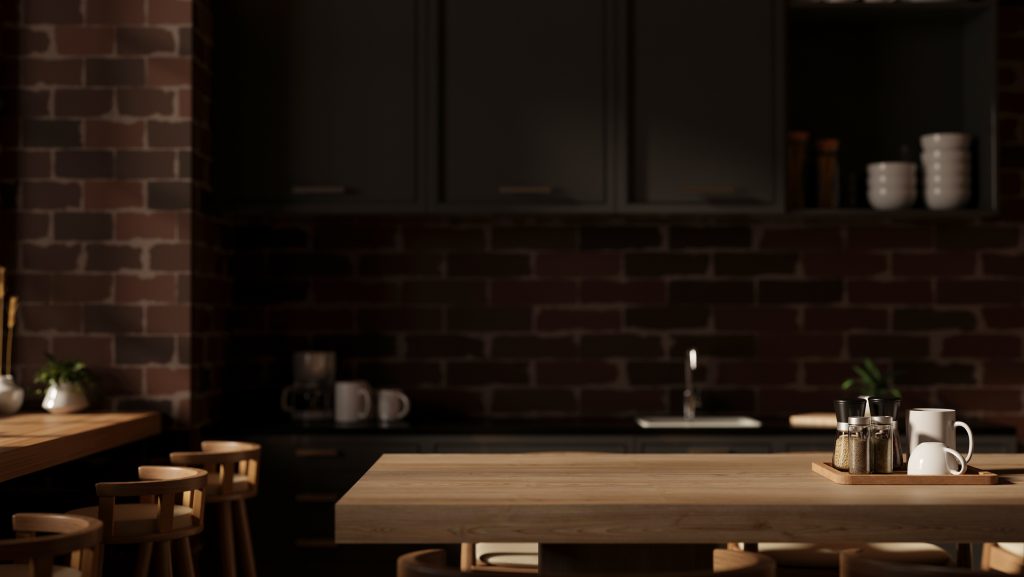
- Industrial loft kitchens that feature metal, concrete, and exposed elements
- Traditional designs seeking a rustic focal point behind floating shelves or a hood
In these settings, brick as a backsplash offers a visual anchor. It softens sleek finishes and adds a layer of authenticity that tile sometimes cannot match.
Your kitchen gets enough light
Brick absorbs and diffuses light. In a dark kitchen, it can make the room feel smaller. In a bright kitchen with windows, glass cabinet doors, or strong undercabinet lighting, brick warms the space without making it feel heavy. If your kitchen is on the darker side, consider a whitewashed or limewashed brick finish to brighten the room while keeping the texture you love.
You choose the right product
Most homeowners are not using full-thickness masonry for a backsplash. Thin brick veneer is the common option since it is lighter, easier to work with, and designed for interior applications. With the right sealer, thin brick can resist many kitchen splashes and stains. If you want the brick look with less maintenance, glazed thin brick or a porcelain brick-look tile can offer even better stain resistance while keeping the style you want.
You are ready for maintenance
Brick is porous. That is part of its beauty, but it also means you should seal it and re-seal it on a schedule. If you are comfortable sealing every one to three years and using the right cleaners, brick as a backsplash can look great for a long time. If you prefer a set-and-forget surface, consider other materials in heavy-use zones and keep brick for accent walls or shelves.
The right layout makes cleaning easier
Brick is well suited for walls that do not see heavy grease, like areas near a sink with a tall faucet splash guard or along a stretch of counter used for prep. It also shines as a full-height feature wall near a breakfast nook or coffee station. With a good layout, you can use brick as a backsplash where it is most practical and pair it with a low-maintenance surface behind your cooktop.
When Brick as a Backsplash Is a Mistake
Heavy grease and high heat zones
Unsealed or lightly sealed brick absorbs oil and can stain behind ranges. Cleaning textured brick and deep mortar joints is tough in this area. If you cook daily with high heat, frequent frying, or red sauces, the maintenance burden may outweigh the look. Consider stainless steel, porcelain tile, or a slab behind the range instead, and keep brick on the side walls.
Households that need low maintenance
If you want the quickest wipe-down possible, brick may not fit your lifestyle. The texture and mortar can catch crumbs and splashes, and you will need suitable pH-neutral cleaners. Families with young kids or rental properties often find smooth tile or slab backsplashes more practical.
Small, dim kitchens
Dark red or brown brick can visually shrink a compact kitchen. If your room lacks windows or strong lighting, brick may make it feel closed in. A lighter, glazed tile or a soft white slab will open the space while still giving you design flexibility.
Uneven walls and tight counter fits
Brick has natural variation in thickness and face texture. If your countertop requires a tight, perfectly flush backsplash line, brick may leave gaps that need careful caulking and trim work. That is fixable by an expert, but it is not the right fit for every layout or cabinet plan.
Moisture and steam issues
While interior brick is not affected by freeze-thaw cycles, it can absorb steam and water splashes when unsealed. Areas around the sink and dishwasher need a durable sealer and proper ventilation. If your kitchen tends to trap steam, think carefully about airflow and finishes before choosing brick as a backsplash.
Key Considerations Before You Commit
Cleaning and sealing
Sealing is nonnegotiable for most brick backsplashes. A penetrating sealer preserves the natural texture while reducing absorption. A film-forming sealer can offer stronger stain resistance but may alter the look. Ask for samples of both to compare. Plan to re-seal every one to three years depending on cooking habits and product manufacturer guidance. Clean with a soft cloth or sponge and a pH-neutral cleaner. Avoid vinegar, bleach, or harsh abrasives that can damage the sealer and mortar.
Mortar joints and grout choices
Masonry-style mortar with a flush or slightly concave joint is easier to wipe clean than a deep, raked joint. Use a grout or mortar that is compatible with the brick veneer and sealer. Color matters too. A light mortar looks classic but shows stains sooner. A medium gray or warm taupe often hides wear better without looking harsh.
Installation details that matter
Professional installation makes a big difference. Proper substrate, such as cement board, prep work, and a quality setting material improve durability. Outlets need box extenders to sit flush with the finished surface. Countertop transitions require a neat bead of flexible, color-matched caulk. Under-cabinet lighting helps you see and clean the surface. Small steps like these add up to better results and easier maintenance.
Heat and ventilation
If you use brick as a backsplash behind a range, verify clearance to the cooktop and confirm the hood meets your cooking needs. Good ventilation protects the surface and the sealer. Some homeowners pair a slab or stainless panel behind the range with brick on adjacent walls for the best of both worlds.
Longevity and common issues
Interior brick veneer typically holds up well when sealed and maintained. Watch for efflorescence, which looks like a white powder on the surface. It often occurs when moisture moves through the material. Good sealing, proper prep, and low moisture contact keep this to a minimum. If you do see it, follow the manufacturer’s recommendations for removal so you do not damage the finish.
Budget ranges to expect
Pricing varies by region, product, and complexity. As a ballpark, thin brick veneer materials often run more than standard ceramic tile. Installed costs can be comparable to high-quality tile work and lower than many stone slabs. Complex patterns, custom hoods, or deep returns raise labor time. At J Kruzan, we provide detailed estimates up front so you can compare brick to other backsplash options with clarity.
Smart Alternatives That Deliver the Look
Porcelain or ceramic brick-look tile
Brick-look tile mimics real brick with better stain resistance and easier cleaning. It is an excellent compromise if you love the style but want low upkeep. Many lines offer a realistic texture and a range of colors from warm reds to soft whites and grays.
Glazed thin brick
Glazed thin brick keeps the authenticity of clay brick while adding a sealed surface from the factory. You still get the handmade character, but splashes are less likely to penetrate. This is a favorite choice for families that cook often and want a balance of beauty and function.
Full-height slab behind the range
Use a durable slab like quartz, porcelain, or natural stone behind the cooktop, and run brick or brick-look tile on the remaining walls. This combination reduces cleaning stress in the messiest zone while preserving the tactile look you love elsewhere.
Stainless steel or tempered glass panels
In serious cooking zones, a stainless or glass panel paired with brick on the side walls blends performance and charm. Both materials wipe clean fast and protect the area most likely to get splattered.
Limewashed plaster or painted masonry finish
If you want soft texture without individual brick units, consider a limewashed or mineral-painted plaster finish. It delivers a cloud-like, timeless look and is easier to wipe down than rough masonry joints.
Design Tips If You Love Brick as a Backsplash
Choose the right color and finish
Warm reds create a rustic feel, while whitewashed or gray bricks read more modern and airy. Limewash, German smear, or a thin painted coat can soften heavy tones and hide color variations you do not want while keeping texture. Always test a small sample in your kitchen light.
Mind the pattern and scale
Classic running bond is versatile and calm. Herringbone makes a beautiful accent above a range or sink window. If your cabinets are detailed, keep the pattern simple. If your cabinets are minimal, a bolder pattern can shine.
Coordinate with countertops and cabinets
Brick pairs well with wood, painted cabinets, quartz, butcher block, and honed stone. Stick to two or three main colors in the room for a cohesive look. When in doubt, balance the warm tones of brick with cooler countertop hues, or vice versa, so the space does not feel too heavy.
Dial in the lighting
Under-cabinet lighting brings out brick texture and makes cleanup easier. Warm white LED strips or pucks create a welcoming glow that enhances the color variation in the material.
Plan the edges and terminations
Decide how the brick meets windows, shelves, and cabinet ends. Clean returns, painted edge trim, or metal profiles keep the installation looking intentional. These small details separate a good job from a great one.
Why Homeowners in Walworth, Kenosha, and Racine Counties Choose J Kruzan
J Kruzan Construction & Remodeling, LLC is a full-service remodeling and construction company based in Lake Geneva, Wisconsin. We blend Old World Craftsmanship with modern best practices to build kitchens that look beautiful and perform every day. Whether you are set on brick as a backsplash or still exploring options, we guide you with transparent advice and clear pricing.
Our services include complete home remodeling, kitchen and bathroom upgrades, basement finishing, whole-home transformations, and home additions. We also handle cabinetry installation, window and door replacements, interior and exterior repairs, and custom construction. If you want a brick backsplash done right, we manage everything from layout and sample selection to substrate prep, setting materials, sealing, and finishing details.
We serve homeowners across Lake Geneva, Walworth County, Kenosha County, and Racine County. Visit us at 2508 Vista Drive, Lake Geneva, WI. Call (262) 348-9800 or reach out at jkruzanbuilds.com to schedule a consultation.
Our Process for a Brick Backsplash That Stands Up to Real Life
- Consultation and style discovery. We listen to how you cook, clean, and live. We assess light levels, ventilation, and layout to see where brick makes sense.
- Product selection. We bring samples of thin brick, glazed brick, and brick-look tile so you can compare feel, color, and maintenance up close.
- Detailed proposal. You get a clear scope, timeline, and budget, including prep, installation, sealing, and finishing touches.
- Expert installation. Our craftsmen prepare the substrate, set courses with clean lines, install outlet extenders, and detail edges for a polished finish.
- Protection and care plan. We apply the right sealer and share a simple maintenance guide so your backsplash looks great for years.
FAQs About Brick as a Backsplash
Is brick hard to keep clean?
It depends on the product and finish. Unsealed brick is difficult to maintain in a kitchen. Thin brick with a quality sealer or glazed thin brick is much easier. Smooth or lightly textured surfaces and flush mortar joints are the easiest to wipe down.
Can I use brick behind a gas range?
Yes with the right plan. Verify heat clearances and invest in strong ventilation. Many homeowners combine a slab or stainless panel behind the range with brick on the side walls to reduce cleaning in the heaviest splash zone.
How often do I need to seal a brick backsplash?
Most kitchens do well with sealing every one to three years. The exact schedule depends on the sealer, how often you cook, and cleaning habits. J Kruzan can recommend products and timelines for your situation.
Will brick make my kitchen feel smaller?
It can in dark or low-light spaces. Choose a lighter brick, a whitewash, or a glazed finish to keep the room bright. Good lighting also makes a big difference.
What is the difference between thin brick and brick-look tile?
Thin brick is cut from real brick or made from clay and has authentic variation and texture. Brick-look tile is ceramic or porcelain printed to resemble brick. Tile is usually more stain resistant and easier to clean. Both can look great when installed by a pro.
How much does a brick backsplash cost?
Costs vary by product and complexity. Thin brick and glazed brick typically cost more than basic ceramic tile but can be similar to premium tile installations. We provide detailed, local pricing so you can compare options with confidence.
Should You Choose Brick as a Backsplash?
Brick as a backsplash is an inspired choice when it supports your style, fits your lifestyle, and is installed with the right products and protection. It can add warmth, texture, and a sense of permanence that flat surfaces cannot match. If easy cleaning and a smooth surface are top priorities, look at glazed thin brick, brick-look tile, or a slab in the busiest areas and save brick for accent walls or lighter-use zones.
Not sure which way to go? Talk with J Kruzan. Our team will help you see samples in your light, weigh maintenance and budget, and create a plan that fits how you live. Call (262) 348-9800, visit us at 2508 Vista Drive in Lake Geneva, or request a consultation at jkruzanbuilds.com. Get expert advice, clear pricing, and craftsmanship you can count on from J Kruzan Construction & Remodeling, serving Walworth, Kenosha, and Racine counties.