
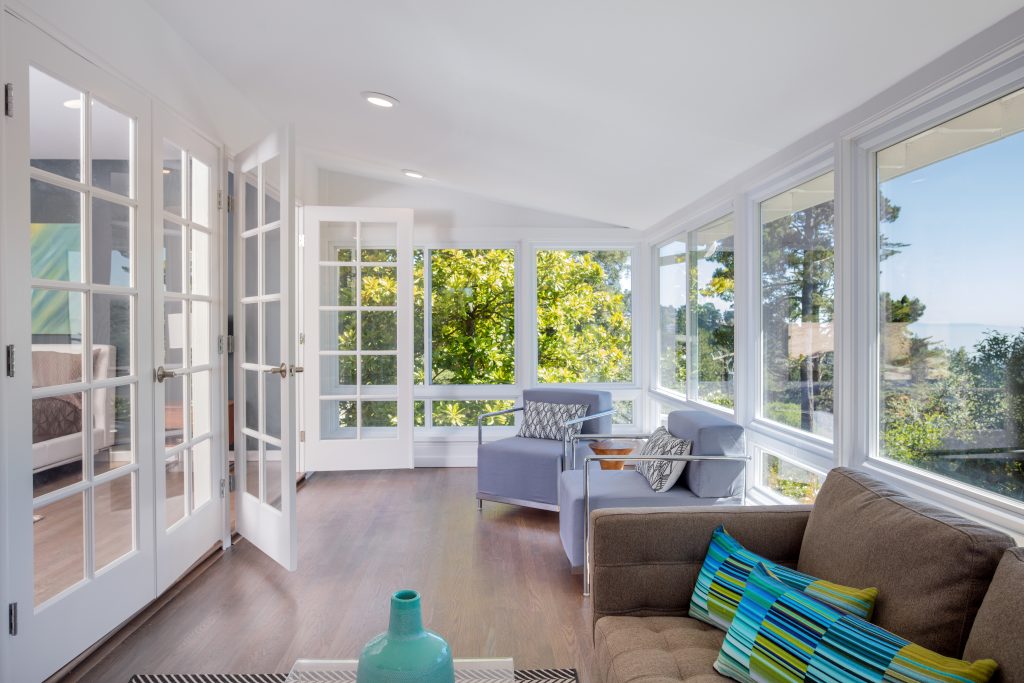
Four-Season Sunroom HVAC Options for Wisconsin (Why Some Sunrooms Never Feel Right)
Four season sunroom HVAC options for Wisconsin homes—learn why some sunrooms never feel right. Compare systems and costs, then get expert guidance today—start now. If you have dreamed of enjoying your sunroom during every month in Lake Geneva or anywhere in Walworth, Kenosha, or Racine counties, the right heating and cooling plan matters as much as the windows and finishes. At J Kruzan Construction & Remodeling, LLC, we design and build sunrooms that stay comfortable when January winds whip off the lake and when July sunshine floods in. This guide explains why some rooms never feel right and which four season sunroom HVAC options will keep you cozy, quiet, and efficient year-round.
What Makes a Sunroom Feel Right Year-Round in Wisconsin
Comfort is not only a temperature number. A true four season sunroom balances temperature, humidity, radiant comfort, and airflow. You want warm surfaces in winter so you do not feel chilled by cold glass. You want dry air that avoids condensation on windows, gentle air movement without drafts, and steady temperatures that do not spike at noon and crash at sunset. A good design uses the right glass, tight construction, proper shading, and the right sized HVAC system. J Kruzan blends Old World Craftsmanship with modern building science so all of these pieces work together, not against each other.
Why Some Sunrooms Never Feel Right
If a sunroom swings from sauna to icebox, it is usually not just one mistake. Common issues include undersized HVAC, single-pane or low-grade windows, aluminum frames without thermal breaks, little or no floor insulation, and air leaks at the sill and around windows. Extending a small branch of ductwork without a load calculation leaves the room starved for heat on the coldest days and sweltering in August. Thermostats placed in the main house misread the sunroom’s needs, so the system cycles poorly. Finally, a lack of humidity control leads to condensation on glass and chilly, damp mornings. The good news is that all of these problems are preventable with planning.
Four Season Sunroom HVAC Options Compared
Ductless Mini-Split Heat Pump
A ductless mini-split is a top choice for four season sunrooms in Wisconsin. It uses an outdoor unit and a quiet indoor wall cassette or ceiling unit to heat and cool efficiently. Modern cold-climate heat pumps deliver heat even when outdoor temperatures dip below zero. They modulate, which means they adjust output smoothly to match the room’s changing load from morning to evening.
- Pros: High efficiency, precise temperature control, dehumidification in summer, no duct losses, quiet operation.
- Cons: Wall unit is visible, needs a line set route and a dedicated electrical circuit, defrost cycles can momentarily reduce output on extreme cold mornings.
- Best for: Independent control and year-round comfort without tying into older ductwork.
- Estimated installed cost in Wisconsin: 4,500 to 8,500 dollars for a single-zone cold-climate unit sized 9k to 18k BTU.
- Approximate operating cost: At 0.16 dollars per kWh and a seasonal COP around 2.5 to 3.0, expect winter heating costs of 35 to 70 dollars per month for a typical 180 to 250 square foot sunroom, depending on insulation and glass quality.
Extending Existing Ductwork With Zoning
Connecting the sunroom to your current furnace and central air can work if designed correctly. You need a room-by-room load calculation, a dedicated zone damper, and a thermostat or sensor for the sunroom. Without zoning, the main house thermostat will ignore the sunroom’s larger swings in temperature.
- Pros: Uses existing equipment, one thermostat app for the whole home, tidy appearance.
- Cons: Risk of underperforming ducts, comfort swings without proper zoning, furnace or AC may be undersized for the added load.
- Best for: Homes with newer right-sized equipment and ducts that can be upsized to meet the sunroom load.
- Estimated installed cost in Wisconsin: 3,500 to 7,500 dollars for duct runs and zoning controls, not including a furnace or AC upgrade if needed. If equipment needs upsizing, add 6,000 to 12,000 dollars.
- Operating cost: Similar to your main system. Efficiency depends on equipment age and duct sealing.
Packaged Terminal Heat Pump or AC (PTAC/PTHP)
PTAC or PTHP units are similar to hotel units installed through an exterior wall. Heat pump versions can heat and cool. They are compact, all-in-one solutions.
- Pros: Lower upfront cost, no ducts, straightforward install.
- Cons: Louder than mini-splits, can be drafty, lower efficiency than top-tier heat pumps, aesthetics may not fit a custom sunroom.
- Best for: Budget-driven projects where noise is not a concern.
- Estimated installed cost in Wisconsin: 2,500 to 4,500 dollars.
- Operating cost: Moderate. Expect higher electric use compared to a premium mini-split.
Hydronic Radiant Floor Heating With Supplemental Cooling
Radiant floors create a warm, gentle heat that makes winter mornings delightful. A boiler or combi unit circulates warm water through tubing in the slab or underfloor. Radiant does not cool, so you still need a cooling solution like a mini-split for summer and shoulder seasons.
- Pros: Superior comfort, warm surfaces reduce condensation, silent operation.
- Cons: Higher install cost, slow response time, still need cooling and dehumidification.
- Best for: New sunroom builds on a slab where comfort is the top priority.
- Estimated installed cost in Wisconsin: 6,000 to 12,000 dollars for a small zone tied to an existing boiler, more if adding a new heat source. Add 3,500 to 6,500 dollars for a small cooling-only mini-split.
- Operating cost: Efficient with natural gas. Electricity for a circulator pump is minimal.
Electric Radiant or Baseboard With Supplemental Cooling
Electric radiant mats or baseboard heaters are simple to install and pair well with a cooling-only mini-split or a small window-style unit in a pinch.
- Pros: Low upfront cost, easy controls, quiet.
- Cons: Higher operating cost than heat pumps or gas, no dehumidification, cooling still required.
- Best for: Smaller sunrooms or spaces used intermittently.
- Estimated installed cost in Wisconsin: 1,500 to 4,000 dollars for electric heat. Add 3,000 to 5,000 dollars for a cooling-only mini-split.
- Operating cost: At 0.16 dollars per kWh, continuous winter use can add up. Consider a programmable thermostat and strong insulation.
Gas or Electric Fireplace or Stove as Supplemental Heat
A sealed gas fireplace or stove adds charm and fast heat, but it should not be the only system. Pair it with a mini-split or zoned system for balanced comfort and summer cooling.
- Pros: Great ambiance, high heat output, backup during shoulder seasons.
- Cons: Does not cool, potential hot and cold spots, needs venting and gas line if not electric.
- Best for: Supplemental heat and atmosphere.
- Estimated installed cost in Wisconsin: 4,000 to 8,000 dollars for a direct-vent gas unit with venting and gas line, less for electric.
- Operating cost: Natural gas is cost effective. Electric fireplaces cost more to run but are simple to install.
Ventilation and Dehumidification
Ventilation is a must for any four season sunroom. An ERV or HRV can exchange stale air for fresh while managing humidity. In summer, a mini-split’s dry mode helps a lot, but high dew points can still challenge glass. In winter, controlled ventilation reduces condensation risk. J Kruzan often integrates ventilation with the HVAC plan to protect finishes and keep glass clear.
- Pros: Healthier indoor air, less condensation, better comfort.
- Cons: Added upfront cost, needs ducting and controls.
- Estimated installed cost in Wisconsin: 2,500 to 4,500 dollars for a small ERV or HRV serving the sunroom and nearby areas.
Insulation, Windows, and Construction Details That Make HVAC Work
Glazing Choices That Matter
Windows drive the heat loss and heat gain in a sunroom. For Wisconsin, choose high quality double or triple-pane glass with Low-E coatings and argon fill. Look for a low U-factor to reduce winter heat loss and select SHGC based on orientation. South and west facing rooms often benefit from a lower SHGC to control summer heat. North and east can use a moderate SHGC to harvest winter sun without overheating. Warm-edge spacers reduce edge-of-glass condensation.
Frames and Thermal Breaks
Window and door frames should have strong thermal breaks. Fiberglass, wood-clad, or high-end vinyl frames perform well in cold climates. Bare aluminum frames without thermal breaks feel cold and condense in winter. Good patio doors with tight seals prevent drafts and help the HVAC system stay in control.
Roof, Walls, and Floor Insulation
To support four season comfort, insulate like the rest of the home. Aim for R-38 to R-49 in the roof if space allows, R-21 or better in the walls, and a well-insulated floor. For slab-on-grade, include rigid foam below and at the slab edge. A continuous air barrier with sealed seams around windows and at the sill is critical. The tighter the build, the smaller the HVAC system can be, and the lower your bills will be.
Solar Control and Shading
Even with good glass, unshaded west sun can spike temperatures. Exterior shades, overhangs, or operable awnings block summer sun before it heats the glass. Interior shades add comfort and privacy but do less to cut heat gain. J Kruzan designs sunrooms with orientation in mind and can suggest built-in shading that complements your architecture.
Moisture Management
Install a vapor retarder under slabs and use proper flashing at windows and doors. Warm interior surfaces reduce condensation risk. Radiant floors, well insulated glass, and balanced ventilation work together so you do not wake to fogged panes and damp sills.
Sizing and Comfort Strategy
Correct sizing starts with a Manual J room-by-room load calculation. The calc considers glass area, frame types, orientation, shading, insulation levels, infiltration, and design temperatures for our Wisconsin climate. Guessing leads to short cycling in summer or a system that cannot keep up in a cold snap. J Kruzan partners with trusted HVAC pros to model your sunroom’s loads so equipment is right-sized, not oversized.
Smart Controls and Zoning
A sunroom must have its own control. For a mini-split, that is built in. For a zoned furnace and AC, add a zone thermostat or a remote sensor. Use ceiling fans on low, reverse in winter to wash warm air off the ceiling without drafts. For radiant floors, a floor sensor keeps surface temperatures steady and comfortable. Avoid deep temperature setbacks in extreme cold because a sunroom has more glass and takes longer to recover.
Noise and Aesthetics
Most quality mini-splits run at 19 to 35 dB indoors, which is library quiet. PTACs are louder. Fireplaces crackle, which many people enjoy. Choose equipment that suits how you use the room. J Kruzan helps you locate indoor heads, grilles, and thermostats so they work well and look clean.
Cost Guide for Wisconsin Four Season Sunroom HVAC
Every project is unique, but the ranges below help plan a budget for four season sunroom HVAC options in southeast Wisconsin. These figures include typical equipment and installation. Complex electrical runs, structural changes, or premium finishes add cost.
- Ductless mini-split heat pump: 4,500 to 8,500 dollars installed.
- Extend ducts with zoning: 3,500 to 7,500 dollars for ducts and controls. Add 6,000 to 12,000 dollars if the main equipment needs an upgrade.
- PTAC or PTHP unit: 2,500 to 4,500 dollars installed.
- Hydronic radiant floor heat: 6,000 to 12,000 dollars for a small zone. Cooling via mini-split adds 3,500 to 6,500 dollars.
- Electric radiant or baseboard with cooling-only mini-split: 4,500 to 9,000 dollars combined.
- Gas or electric fireplace for supplemental heat: 4,000 to 8,000 dollars, not including a separate cooling system.
Operating cost varies by insulation and glass quality. As a rule of thumb, a tight 200 square foot sunroom with high performance glass costs much less to heat and cool than a similar space with builder-grade windows. Investing in the envelope usually pays back in lower equipment size and lower monthly bills.
Permits, Codes, and Energy Rebates
Sunrooms are real living spaces, so they require permits and inspections. Structural loads must meet local snow and wind standards. Glass near doors and at low heights must be tempered, and safety glazing is required in certain locations. Electrical circuits must support the HVAC equipment and any baseboard or radiant loads. Gas lines and venting need proper clearances. In Walworth, Kenosha, and Racine counties, J Kruzan handles permitting and coordinates inspections so your project moves smoothly.
Wisconsin homeowners may qualify for Focus on Energy incentives for high efficiency heat pumps and smart thermostats. Programs change often. We check current rebates during design to help you save where possible. Your utility’s time-of-use or rate plans may also reward efficient operation.
How J Kruzan Makes Four Season Sunrooms Work
J Kruzan Construction & Remodeling, LLC is based in Lake Geneva and serves Walworth, Kenosha, and Racine counties. We bring Old World Craftsmanship and modern techniques to every project. For sunrooms, that means careful design, a tight envelope, and a heating and cooling plan that matches how you live. We coordinate with licensed HVAC partners to size and install systems that whisper quietly while keeping you comfortable in every season.
- Discovery: We learn how you plan to use the room and review orientation, views, privacy, and budget.
- Design: We select windows, doors, insulation, and shading, then choose the right four season sunroom HVAC options for your goals.
- Pricing and Timeline: Transparent budgets and schedules, so you know what to expect.
- Permits and Engineering: We manage code requirements and snow load calculations.
- Build: Clean site, respectful crews, and detailed craftsmanship.
- Closeout and Care: We review systems with you and stand behind our work.
Visit jkruzanbuilds.com or call (262) 348-9800 to schedule a consultation at 2508 Vista Drive, Lake Geneva, WI. Ask us to show you recent sunroom projects and hear how our clients enjoy their rooms on the coldest and hottest days.
Frequently Asked Questions
Can I heat a sunroom with a portable space heater?
A portable heater can take the edge off but will not deliver year-round comfort. It can create hot spots, trip breakers, and raise safety concerns. A right-sized mini-split or zoned system is safer, more efficient, and maintains even temperatures.
Why do some heat pumps struggle during a polar vortex?
Not all heat pumps are the same. Choose a cold-climate mini-split with a solid low-temperature rating and install it correctly. Proper sizing, good insulation, and tight construction allow a heat pump to perform through deep cold. J Kruzan specifies equipment tested for Wisconsin conditions.
How do I stop condensation on sunroom windows?
Use high performance glass with warm-edge spacers, keep interior humidity in check with ventilation or a dehumidifier, and warm interior surfaces with radiant floors or steady heating. Air sealing and insulated frames also help keep glass warmer.
Can I cool the sunroom without adding ducts?
Yes. A ductless mini-split cools and dehumidifies without ducts. It is efficient and quiet and gives you independent control of the sunroom.
Will a sunroom raise my overall energy bills?
A poorly built sunroom can. A well built four season sunroom with good glass, insulation, and a right-sized system can be surprisingly efficient. You will also use it more, which boosts quality of life and home value.
Can I add radiant heat to an existing slab?
Yes, with above-floor radiant panels or by adding a new insulated subfloor system. It raises the finished floor height slightly. J Kruzan can evaluate the structure and thresholds to see what fits best.
How loud are mini-splits?
Indoor units often run under 30 dB at low speed, which is very quiet. Outdoor units are similar to a modern AC. Proper placement and vibration isolation reduce sound further.
How fast can you build a four season sunroom?
Timelines vary by scope and permits. Many projects complete in 6 to 10 weeks once materials arrive. We provide a clear schedule at the start and keep you updated throughout.
Which Option Is Right for You
If you want one system that does almost everything well, a cold-climate ductless mini-split is the most popular choice for Wisconsin four season sunrooms. If you love the feel of warm floors, pair hydronic radiant with a small mini-split for cooling and dehumidification. Extending ductwork with proper zoning can work when the main system is sized for the added load. J Kruzan weighs comfort, aesthetics, budget, and operating cost during design so your room feels right in January, April, July, and October.
Start Your Sunroom Project With J Kruzan
Ready to compare four season sunroom HVAC options and design a room that feels right all year long? J Kruzan Construction & Remodeling, LLC offers full-service design and construction, from windows and insulation to HVAC integration and final trim. We serve homeowners across Lake Geneva, Walworth County, Kenosha County, and Racine County. Call (262) 348-9800, visit jkruzanbuilds.com, or stop by 2508 Vista Drive, Lake Geneva, WI. Let’s create a sunroom you will actually use every day, no matter what Wisconsin weather brings.