
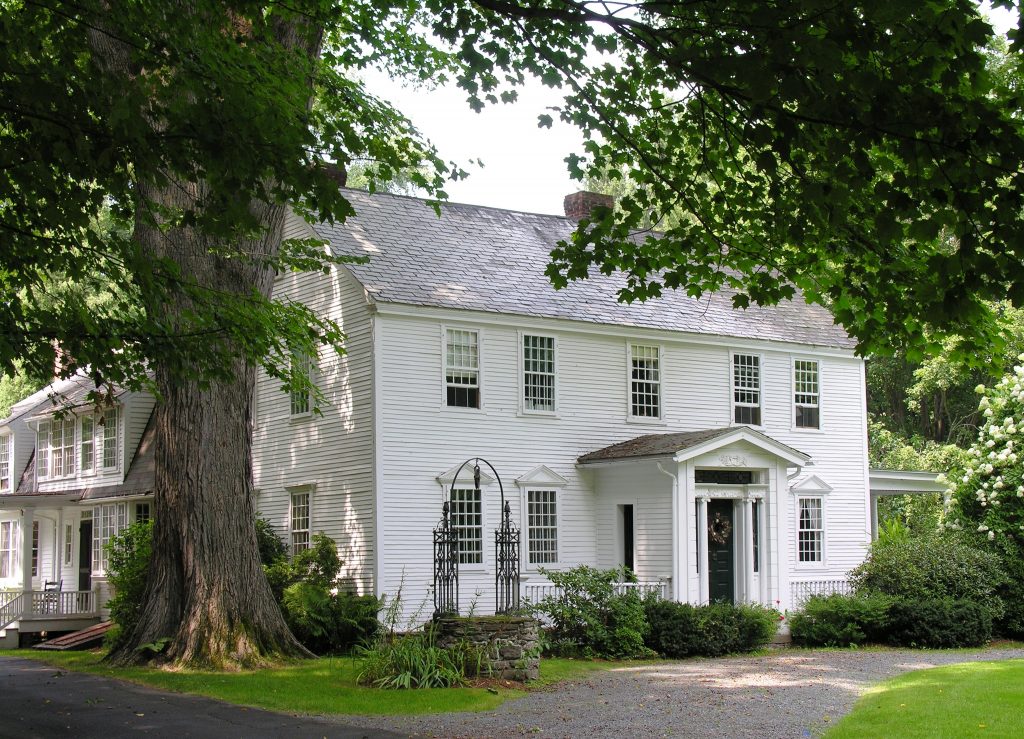
Why Structural Health Matters in Older Homes
Your older home has character, quality materials, and a story worth preserving. It also carries decades of wear that can lead to hidden structural problems. Knowing the early warning signs helps you protect your investment and keep your family safe. If you are searching for home improvement milwaukee ideas or guidance, understanding when to call a professional is the first step toward a safe, lasting renovation.
At J Kruzan Construction & Remodeling, LLC, we help homeowners in Lake Geneva and across Walworth, Kenosha, and Racine counties make smart choices about repairs and remodeling. Our team blends Old World Craftsmanship with modern building techniques to diagnose issues accurately and fix them the right way. Whether you want to remodel a kitchen, add living space, or address settlement, our process is honest, thorough, and focused on long-term results.
Quick Check: Are These Warning Signs Showing Up?
Aging homes often whisper before they shout. If you notice any of the signs below, it may be time to schedule a professional inspection.
- Cracks in foundation walls or slabs that grow or run in stair-step patterns
- Bouncy, springy, or sloped floors that feel uneven as you walk
- Doors or windows that stick, scrape, or no longer latch
- Gaps where walls meet ceilings or baseboards pulling away
- A sagging roofline or visible dip along the ridge
- Interior drywall cracks that recur after patching
- A leaning or separating chimney
- Musty odors, recurring moisture, or pooled water in the basement
- Rotting sill plates or framing near the foundation
- Exterior siding or brick that bulges or bows
- Decks or porches that tilt or separate from the house
- Termite damage or wood rot in crawlspaces or rim joists
Common Structural Red Flags Explained
Foundation Cracks and Settlement
All concrete cracks over time, but not all cracks are equal. Hairline, vertical cracks may be cosmetic. Wide horizontal cracks or stair-step cracks in block or brick often signal lateral pressure from soil or water and need attention. If you see cracks that widen seasonally, water seepage through cracks, or doors and floors in the same area going out of level, call a pro. Settlement that causes one corner of your home to drop can lead to serious strain on framing, plumbing, and finishes.
Sagging or Bouncy Floors
Older homes sometimes have undersized joists by today’s standards. Over time, moisture, notching for utilities, or cut joists for old ducts can weaken the structure. If floors bounce when you cross the room, feel soft near walls, or slope toward the center, you may have compromised joists, a failing center beam, or deteriorated posts. Repairs can include sistering joists, adding support beams, or replacing rotten framing.
Sticking Doors and Windows
Humidity can make doors swell, but persistent binding or diagonal cracks above doors and windows often trace back to movement in the structure. When a frame goes out of square, doors scrape and windows stick. Look for multiple sticky doors on the same floor, which can be a sign of overall settlement or a sagging beam.
Bowed or Cracked Walls
Interior plaster or drywall cracks that return after patching usually point to movement behind the surface. Horizontal or diagonal cracks along corners or where walls meet ceilings can be a sign of shifting framing. On the exterior, a bowing wall can be caused by frost heave, clay soil expansion, or long-term water pressure. These conditions call for quick action to prevent further damage.
Roofline Sags and Attic Issues
A visible dip in the roof ridge or a wavy roof surface can mean undersized rafters, failing collar ties, or moisture-damaged sheathing. In the attic, look for cracked rafters, separated joints, and darkened wood that signals previous leaks. Structural fixes might include reinforced rafters, new ridge support, or upgraded ventilation to control moisture.
Leaning Chimney and Masonry Cracks
Chimneys are heavy and often sit on small footings. If a chimney leans or pulls away from the house, do not ignore it. Mortar loss, flaking brick faces, or a gap where the flashing meets the siding are all warning signs. Masonry repair, new footings, or anchoring may be necessary to restore safety.
Moisture, Mold, and Musty Odors
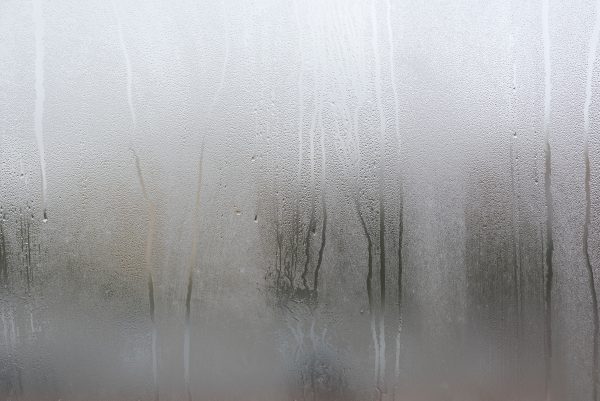
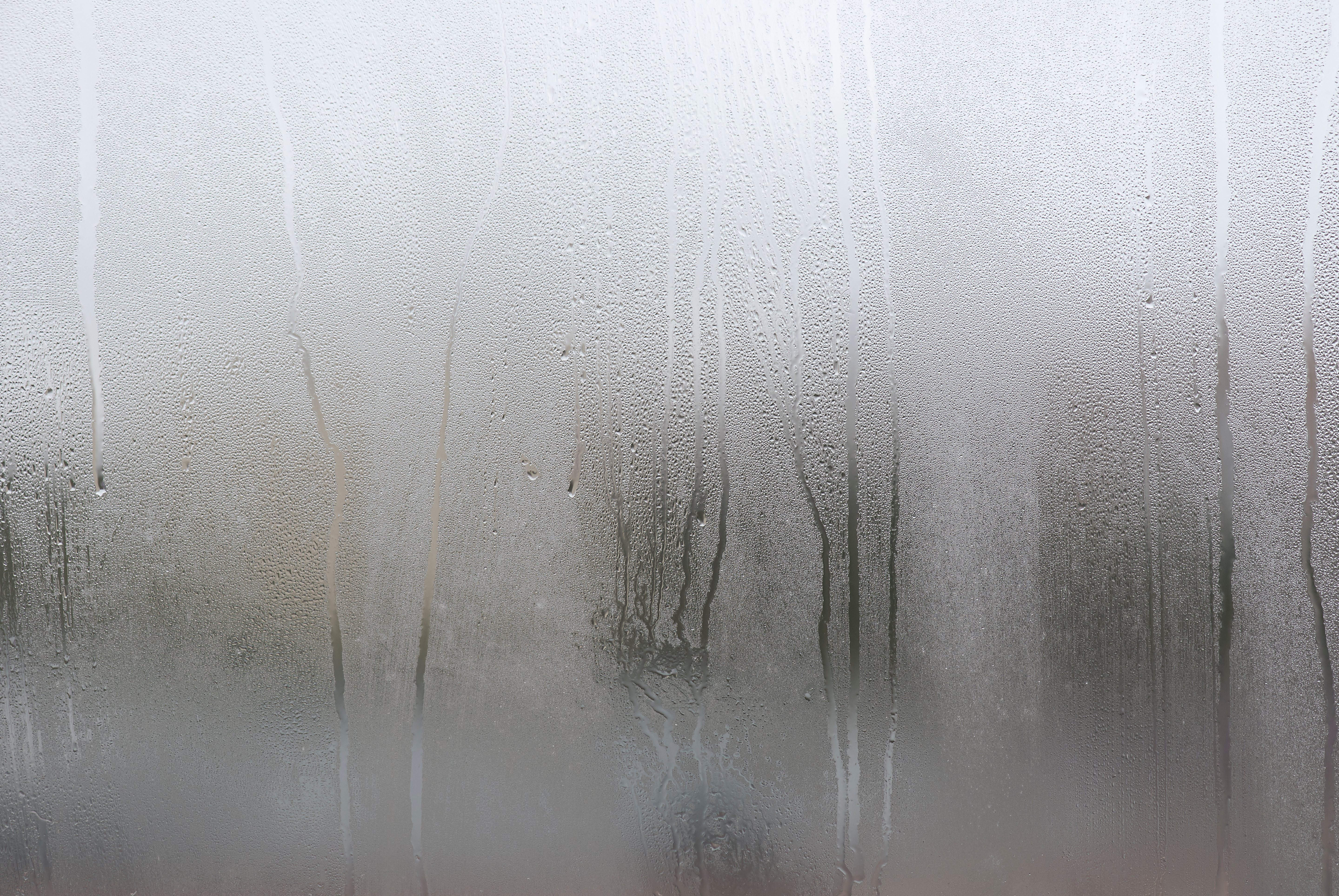
Moisture invites mold, rot, and insect damage. Efflorescence, which looks like a white powder on basement walls, suggests water movement through masonry. Chronic dampness, condensation on windows, or puddles after rain mean drainage or grading problems that can weaken the foundation over time. Proper drainage, sump systems, and dehumidification protect both air quality and structure.
Termites and Wood Rot
In older homes, sill plates, rim joists, and porch framing are common places for rot. Termite galleries, soft wood you can press with a screwdriver, or blistered paint may indicate hidden decay. Once wood fibers fail, loads shift to nearby members and cause uneven floors or cracked finishes.
Porches, Decks, and Stairs Pulling Away
Porches and decks often attach to the house with a ledger. If the ledger is not properly flashed or bolted, water intrusion and rot follow. Gaps at the house connection, sagging landings, or wobbly stairs are safety hazards and can point to a larger structural issue at the exterior wall.
Basement and Crawlspace Problems
Look for tipped or leaning foundation walls, crumbling mortar joints, rusted steel posts, or wood posts set on dirt. Seasonal standing water, cracked slabs, and failing vapor barriers can accelerate deterioration. Sound support starts with solid footings, proper posts, and a dry environment.
Cosmetic vs Structural Problems: How to Tell the Difference
Cosmetic issues affect finishes and appearance. Structural issues affect safety and stability. A hairline paint crack caused by drywall shrinkage is cosmetic. A wide, recurring diagonal crack through the corner of a window is likely structural. A squeaky floor may be a nuisance, but a floor that bounces or sinks is a red flag. If a problem keeps coming back after simple repairs or gets worse with the seasons, it is time for a structural assessment.
What to Do if You Suspect a Structural Problem
- Document the issue. Take photos with a ruler or coin for scale and note dates.
- Check for patterns. Are multiple doors sticking or only one? Do cracks widen after heavy rain?
- Look for moisture sources. Gutters, grading, and downspouts are common culprits.
- Avoid quick fixes that hide the problem. Cosmetic patches can make proper repairs harder later.
- Call a qualified contractor. Ask for experience with older homes and structural work.
- Consider an engineering review for major issues. This adds clarity and confidence.
- Plan a lasting solution. Address root causes like water control, not just the symptoms.
How Pros Diagnose Structural Issues
At J Kruzan Construction, we start with a thorough walkthrough, interior and exterior. We measure floor slopes, examine framing, and look for moisture tracks. We may recommend opening small areas to view joists, beams, or sill plates. For complex cases, we collaborate with licensed structural engineers to confirm loads and design a safe, code-compliant fix. In Wisconsin, many structural repairs require permits. Our team helps you navigate local codes, obtain approvals, and schedule inspections so the work is clean, documented, and built to last.
Repair Options Older Homes Commonly Need
- Foundation stabilization. Underpinning, helical piers, or wall anchors to correct settlement or bowing walls.
- Drainage and water management. Regrading, downspout extensions, French drains, and sump systems to reduce hydrostatic pressure.
- Framing reinforcement. Sistering joists, replacing girders, adding support posts and footings, and correcting cut or notched members.
- Sill and rim repairs. Replacing rotted sill plates, adding treated lumber, and installing proper flashing.
- Chimney and masonry restoration. New footings, tuckpointing, and secure ties to the structure.
- Roof structure upgrades. Reinforcing rafters, adding collar ties, and replacing damaged sheathing.
- Seismic and wind improvements. Shear panels, hold-downs, and strapping where needed for modern performance.
- Porch and deck reconstruction. Proper ledger attachments, waterproof flashing, new footings, and code-compliant stairs and rails.
Preventative Care for Historic and Mid-Century Homes
- Control water. Keep gutters clean, add extensions, and slope soil away from the foundation at least 6 inches over 10 feet.
- Ventilate and dehumidify. Maintain a dry basement or crawlspace to prevent rot and mold.
- Inspect annually. Check the attic, basement, and exterior after winter and after major storms.
- Mind vegetation. Keep shrubs and trees away from the foundation to protect drainage and masonry.
- Upgrade smartly. When remodeling, use the chance to reinforce framing, update flashing, and correct past shortcuts.
- Use appropriate materials. Pressure-treated lumber near concrete, proper fasteners, and moisture barriers extend life.
Why Choose J Kruzan for Structural Remodeling and Repairs Near Milwaukee
J Kruzan Construction & Remodeling, LLC is a full-service remodeling and construction company based in Lake Geneva. We serve Walworth, Kenosha, and Racine counties with a focus on quality, transparency, and customer care. Homeowners searching for home improvement milwaukee often choose J Kruzan for projects in the nearby southeastern Wisconsin area because we bring careful planning, clear communication, and craftsmanship that stands out.
We believe structure and style go hand in hand. When you trust J Kruzan, you get solutions that respect the age of your home while preparing it for modern living. Our team evaluates root causes, explains options in plain language, and delivers repairs that are neat, documented, and built for the long term.
Our Core Services
- Home Remodeling
- Kitchens and Bathrooms to update layouts, fixtures, and finishes
- Basement remodels that add comfortable, livable space
- Whole-home remodeling that blends classic character with modern design
- Home Additions
- Room additions for growing space needs
- Sunrooms and home offices to boost comfort and productivity
- Kitchen and bathroom expansions for better flow and convenience
- Home Improvements
- Custom cabinetry installation for smart storage
- Energy-efficient window and door replacements for curb appeal and comfort
- Exterior and interior repairs that protect home value
- Custom Construction
- Bespoke building projects tailored to your goals and site
Our clients often tell us they appreciate our balance of Old World Craftsmanship and modern methods. That means tight joints, clean lines, durable materials, and solutions tested by time. If your priority is safe structure and a beautiful finish, our team is ready to help.
Our Process: Clear, Careful, and Client Focused
- Consultation. We discuss your concerns, goals, and budget.
- Assessment. We inspect the home and, when needed, coordinate with engineering.
- Plan and scope. You receive a clear scope of work with practical options.
- Permits and scheduling. We handle the details and keep you informed.
- Construction. Our craftspeople complete the work with care and respect for your home.
- Quality checks. We verify performance, alignment, and code compliance.
- Final walkthrough. We review results and maintenance tips with you.
Frequently Asked Questions
Do you handle permits in Wisconsin?
Yes. J Kruzan manages the permitting and inspection process for structural and remodeling projects. We coordinate with local authorities in Walworth, Kenosha, and Racine counties and follow applicable Wisconsin codes. This keeps your project compliant and well documented.
Can remodeling reveal hidden structural damage?
It can. Opening walls or floors often exposes past leaks, notched joists, or inadequate supports. We plan for this by building inspection time into the project and discussing contingency options with you up front. If we find a concern, we present photos, explain the issue, and offer solutions before moving forward.
How long do structural repairs take?
Timeline depends on the scope. A small sill plate repair may take a few days. Major foundation stabilization or framing reconstruction can take several weeks, plus time for permits and inspections. Our team provides a clear schedule and keeps you updated from start to finish.
Do you work in Milwaukee?
We are based in Lake Geneva and serve Walworth, Kenosha, and Racine counties. Many Milwaukee area homeowners researching home improvement milwaukee choose to contact us for projects near the metro region. If you are close by or have a larger project, reach out and we can discuss your location and needs.
When to Call a Pro vs Wait and Watch
It is fine to monitor a small, stable hairline crack. It is not fine to wait if you see horizontal or stair-step foundation cracks, a leaning chimney, a sagging roofline, or floors that feel unsafe. Rapid changes after storms or spring thaws are also cause for action. When in doubt, ask. A quick assessment can save months of worry and prevent costlier repairs later.
Protect Your Investment With Expert Help
If you suspect your older home needs structural repairs, do not ignore the signs. A focused inspection followed by a smart repair plan can restore safety, value, and peace of mind. For trusted guidance on home improvement milwaukee and across southeastern Wisconsin, contact J Kruzan Construction & Remodeling, LLC. Our office is located at 2508 Vista Drive, Lake Geneva, WI. Call us at (262) 348-9800 or visit jkruzanbuilds.com to schedule an inspection. We are ready to help you preserve the home you love and make it stronger for the years ahead.